
Learn how to do the Cat Cow pose (Bitilasana Marjaryasana) with our step-by-step guide. Improve posture, flexibility, and spinal mobility with this gentle flow.

How to Perform the Cat Cow Pose: Benefits for Posture and Alignment

The Cat-Cow Pose is known also as Chakravakasana in Sanskrit; it’s one of the fundamental yoga poses with several health benefits. That’s actually the flowing movement between two positions, with the rounded back of Cat Pose and the arched back of Cow Pose. It gives a flawless demonstration of working towards greater mobility and improvement in posture; thus, it is very much indispensable for all kinds of yoga practitioners.

In this blog, we will explain how to do the Cat Cow Pose, benefits of it, and modifications for people with various needs. We will also describe why this stretch is important for alignment and introduce Gurukul Yogashala’s 200 Hour Yoga Teacher Training in Rishikesh, where you can dive deeper into the practice.

What is the Cat Cow Pose?

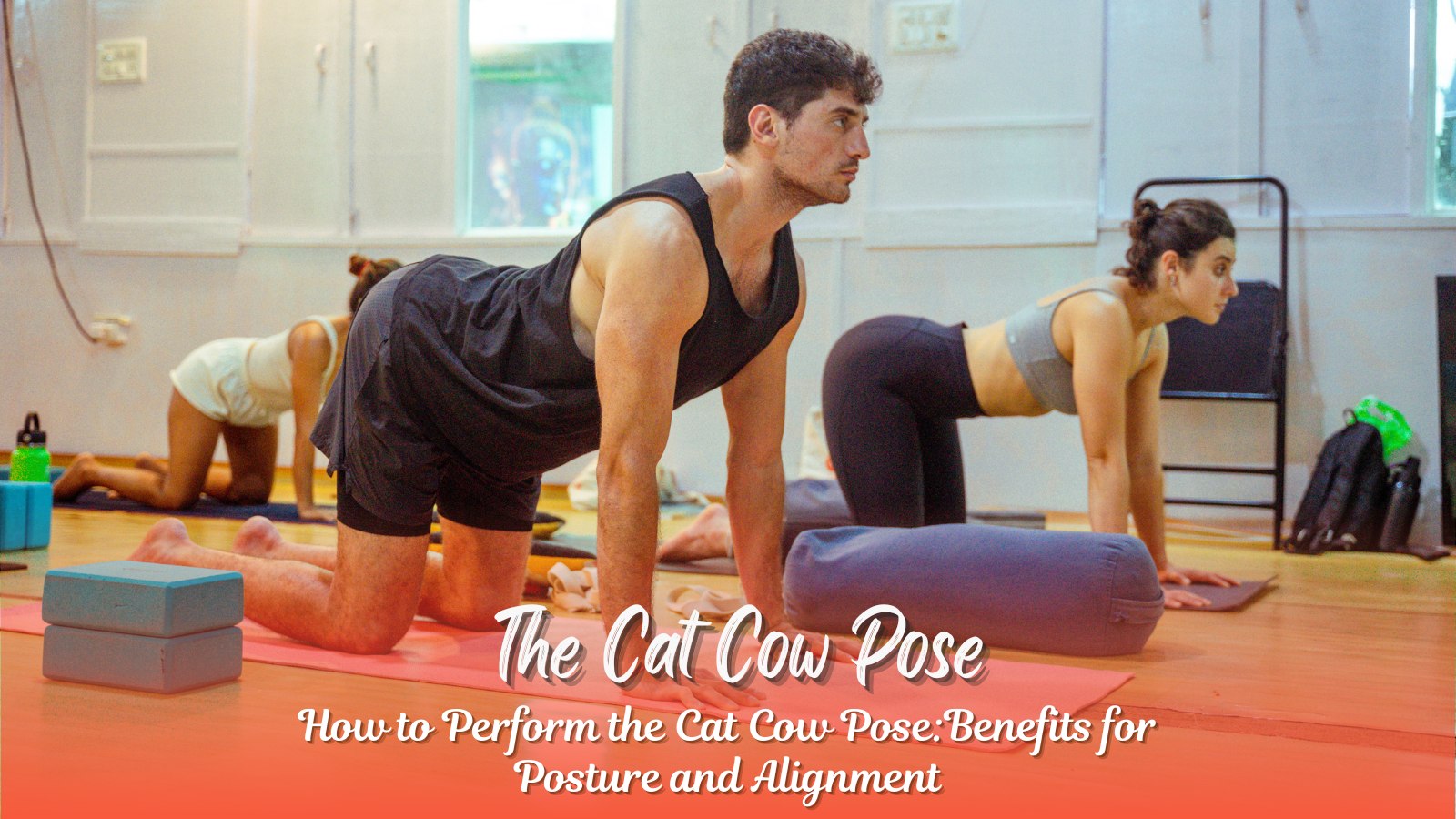
The Cat Cow Pose, also known as Chakravakasana, is a simple yet powerful yoga sequence that involves two contrasting positions, Cat Pose and Cow Pose. These movements are done in a flowing sequence, synchronized with breath, and offer numerous benefits for flexibility, posture, and relaxation. Here’s a breakdown of what makes up this pose:

  • Cat Pose (Bidalasana)
  • Position: The spine curls under, the tummy pulls up, and the head drops.
  • Movement: When you breathe out, pull your pelvis into your legs, curling the back around, toward the spine and bringing in your belly button. Let your head drop, looking down toward your navel.
  • Benefits: It will stretch your upper back, neck, and shoulders, releasing tension. It will also massage the internal organs and provide some stimulus for your digestive system, helping to reduce stress and allow for a relaxation feel.
  • Cow Pose (Bitilasana)
  • Position: The spine bends and the arch. The chest opens up and the head goes into a lift.
  • Movement: On an inhale, tilt your pelvis up. This should slightly arch the back. Allow your belly to soften towards the mat and lift your chest forward. Lengthen your gaze up toward the ceiling so that your neck remains long and relaxed.
  • Benefits: Cow Pose stretches the chest, abdominal muscles, and throat. The pose increases flexibility and mobility of the spine. It also offers good posture with the relief of tension in the shoulders and neck.
  • Breath Coordination
  • Inhale: Enter Cow Pose by inhaling as you arch your spine, lifting your chest and tailbone.
  • Exhale: Enter Cat Pose by exhaling as you round your spine and tuck your pelvis.
  • Benefit: The breathing synchronizes with the movement to enhance the stretch, increase flexibility, and help calm the nervous system. It is also a good way to release emotional tension.
  • Fluid Motion and Alignment
  • Flowing Transition: Fluidity is the key to the Cat Cow Pose. Moving fluidly from Cat to Cow with each breath enhances spinal flexibility and mobility.
  • Alignment: Keep the neck neutral and do not extend or flex it too much. Move from the pelvis to align the body, which helps reduce the tension in the back and neck. Posture and Alignment Benefits of Cat Cow Pose

Regular practice of Cat Cow Pose has benefits both physically as well as to the mental psyche, especially through posture and alignments:

  • Maintenance of Spine Health:
  • Spinal Mobility: Flexion (cat pose) and extension (cow pose) alternate movements of the spine increase the mobility in the intervertebral segments, making it flexible.
  • Disc Circulation: The circulation of fluids inside the spinal discs is ensured by the movement avoiding compression and dehydration of those discs, essential for the health of the spine.
  • Pain Relief: The flexed movement supports relieving pressure on the spine, a way of minimizing chronic back pain, stiffness, and discomfort from misalignments.
  • Supports Alignment: The smooth movements align spinal misalignments over time, promoting natural and healthy curves in the spine: cervical, thoracic, and lumbar.
  • Better Posture:
  • Alignment Focus: Doing Cat Cow conscious creates awareness of the normal curvature of the back and, hence, helps realign the spine.
  • Strengthens Postural Muscles: This pose strengthens the postural muscles around the spine, which includes the core, back, and shoulder muscles. The posture promotes a better stance and sitting posture.
  • Relieves Slouching: People who spend more time sitting experience the pose release tension from the shoulders, neck, and upper back to combat the effects of slouching.
  • Prevents Postural Imbalances: It helps detect and rectify undesirable posture behaviors by making one conscious about his or her body postures, hence reducing muscle and joint spasm.
  •  Flexibility:
  • Spinal Flexibility: The flexibility of the spine in Cat Cow Pose is increased through its natural curvature. While in Cow Pose, the backbend stretches the anterior aspect of the spine, the curvaceous position in Cat Pose stretches the posterior aspect of the body.
  • Neck Flexibility: The coordinated movement helps release tension in the neck, promoting greater mobility and reducing stiffness.
  • Hip Flexor Stretch: Cow Pose opens up the hip flexors, improving their flexibility and reducing tightness, particularly for those who sit frequently.
  • Full-body Stretch: In addition to the spine, the pose engages the entire body, promoting increased flexibility in the arms, legs, and chest.
  • Reducing Stress:
  • Connection Mind and Body: As the slow motion is carried on by Cat to Cow and through deep breathing encourages mindfulness and creates a break between stress cycles while bringing attention inward and onto the body and breath.
  • The gentle rhythmic motion has the calming effect for the nervous system and helps dissipate anxiety and mental fatigue.
  • Breathing Benefits: The deep breaths in Cow Pose (inhale) and the exhalation in Cat Pose are very relaxing, and it promotes the parasympathetic nervous system responsible for relaxation and stress relief.
  • Tension Release: You work through the spine to release the stored tension that’s been stored in the back and neck; it helps in clearing mental and physical stress.
  • Improved Circulation:
  • Blood Flow to the Spine: The movement stimulates circulation along the spine and to the muscles that surround it, which helps to improve blood flow to the spinal discs and joints.
  • Improved Oxygenation: Deep breathing during the pose improves oxygen delivery throughout the body, including the back muscles, helping to nourish tissues and alleviate muscle fatigue.
  • Relieves Stagnation: For people who spend a lot of time sitting, Cat Cow helps restore healthy circulation to areas that may become stagnant, such as the lower back, hips, and legs.
  • Increased Circulation in the Core: The fluid motion activates the core muscles and improves blood flow to the abdominal area, supporting overall internal health.

 Instructions on How to Perform the Cat Cow Pose

Follow these easy steps to correctly do the Cat Cow Pose:

 Step 1: All Fours Initial Position

1. Kneel on your hands and knees on a yoga mat or carpeted floor.

2. Place your wrists right under your shoulders and place your knees right under your hips.

3. Activate your core by drawing your navel toward your spine.

4. Maintain your neck in a long position by gazing down towards the floor, keeping your spine neutral.

 Step 2: Inhale – Bowing the Back

1. Tuck in your toes so that they softly touch the ground.

2. Inhale and tilt the pelvis. Lift the tail bone up.

3. Let that movement move into your tail, then up towards your head in an arching sensation in your spine.

4. Let your tummy drop downwards toward the mat while keeping those abdominal muscles tucked in.

5. Engage your chest and gaze lightly up toward the ceiling, keeping your neck neutral (don’t overextend).

6. Hold for a few breaths, maintaining the arch.

 Step 3: Exhale – Rounding the Spine

1. Let the tops of your feet rest on the floor.

2. As you exhale, tilt your pelvis forward, tucking your tailbone under.

3. As you tuck your tailbone under, allow your spine to curl naturally.

4. Draw your navel towards your spine to deepen the stretch in your back.

5. Let your head drop toward the floor, bringing your gaze to your navel.

6. Hold for a few breaths.

 Step 4: Repeat the Flow

  • Alternate between Cat and Cow Pose, moving with each inhale and exhale.
  • Perform the sequence for 5 to 10 rounds, focusing on the fluidity of the movement and breath.
  • After the final exhale, return to a neutral spine.

 Common Mistakes to Avoid

To get the most out of the Cat Cow Pose, avoid the following mistakes:

  • Neck Strain: When lifting your gaze to the ceiling in Cow Pose, do so gently without overextending your neck. In Cat Pose, let your head drop naturally without forcing it.
  • Misaligned Pelvis: Ensure that the movement starts at the pelvis. The tailbone should lift in Cow Pose and tuck under in Cat Pose. Don’t force the movement through your lower back.
  • Using Arms and Shoulders: Keep your arms straight and focus on moving through the spine, not the arms. This helps protect your shoulders and elbows.
  • Forcing the Movement: Don’t rush through the poses. Move slowly and mindfully, synchronizing each movement with your breath to protect your back and neck.

 Modifications and Variations

If you have any physical discomfort or limitations, there are several ways to modify the Cat Cow Pose:

  • For Arm Pain: Instead of placing your palms on the ground, try this pose on your forearms or create fists with your hands to add comfort.
  • For Knee Pain: If your knees hurt, put extra padding underneath them, like a folded mat or yoga blanket.
  • Chair Variation: You can also do the Cat Cow Pose while seated. Sit on a chair with your feet flat on the floor and your hands resting on your knees. You can move your spine just as you did on the floor, for a nice gentle stretch.

 Gurukul Yogashala – 200 Hour Yoga Teacher Training in Rishikesh

For deeper practice in yoga or even certification as a yoga instructor, you may seek to train with the Gurukul Yogashala 200 Hour Yoga Teacher Training. The best environment for an intensive study and practice in this city of India is considered Rishikesh, also referred to as the spiritual heart of yoga.

At Gurukul Yogashala, you will get intensive training in yoga philosophy, anatomy, and teaching methodology. This will give you the knowledge and confidence to teach yoga. If you want to deepen your understanding of alignment and posture, this program is an excellent choice. The school is recognized as one of the Best Yoga Schools in Rishikesh and offers students personalized attention and a holistic approach to yoga.

 Frequently Asked Questions (FAQs)

1. What is Cat Cow Pose good for?

   The Cat Cow Pose helps improve flexibility and mobility of the spine by encouraging both arching and rounding of the back. This dynamic movement can help to ease back pain, reduce stiffness, and improve posture, making it particularly helpful for people with sedentary lifestyles or long hours of sitting. It also activates and stretches the neck, hips, and core muscles, thereby enhancing the flexibility of the entire body. The rhythmic flow, combined with deep breathing, calms the nervous system, reducing stress and mental tension. Regular practice of this pose promotes relaxation, improves circulation, and supports both physical and mental well-being.

2. Is Cat Cow Pose good for sciatica?

Yes, the Cat Cow Pose can help reduce tension in the lower back and hips, which may be helpful for people with sciatica. However, if you have sciatica, you should consult a doctor before practicing.

3. What is the Indian name for Cat Cow Pose?

The Indian name for this pose is Chakravakasana, which comes from “chakra” (wheel) and “vaka” (cow). The movement from round back and then arching leads into the shape.

4. What is Cat Cow Pose good for?

The Cat Cow Pose is excellent for improving spinal flexibility and mobility, helping to relieve back pain and stiffness. It promotes better posture by strengthening the muscles supporting the spine. The pose also stretches the neck, hips, and core, enhancing overall body flexibility. Additionally, the rhythmic movement, paired with deep breathing, calms the nervous system, reducing stress and tension. Regular practice helps improve circulation, increase relaxation, and supports both physical and mental well-being.

 5. How many times should you do Cat Cow Pose?

It is advised to do Cat Cow Pose 5 to 10 times in a row with each round accompanied by your breathing. You may repeat the sequence more times for relaxation or flexibility.

The Cat Cow Pose is a simple asana that offers flexibility in the spine, correction of posture and alignment, reduction of back pains, relief of stress, and improvement of the overall mobility. It is excellent for addition in any yoga practice and can easily be modified for individual needs.

For those interested in advanced yoga, Gurukul Yogashala offers a 200 hour yoga teacher training in Rishikesh as an immersive and comprehensive program that shows people exactly how they can eventually become successful. Gurukul Yogashala is one of the best yoga schools in Rishikesh, offering expert guidance and hands-on experience to be confident and knowledgeable yoga instructors.
Matsyasana

Matsyasana Or Fish Pose : How To Do It, Benefits & Precautions

Matsyasana (Fish Pose): Unlock the Benefits for Body & Mind

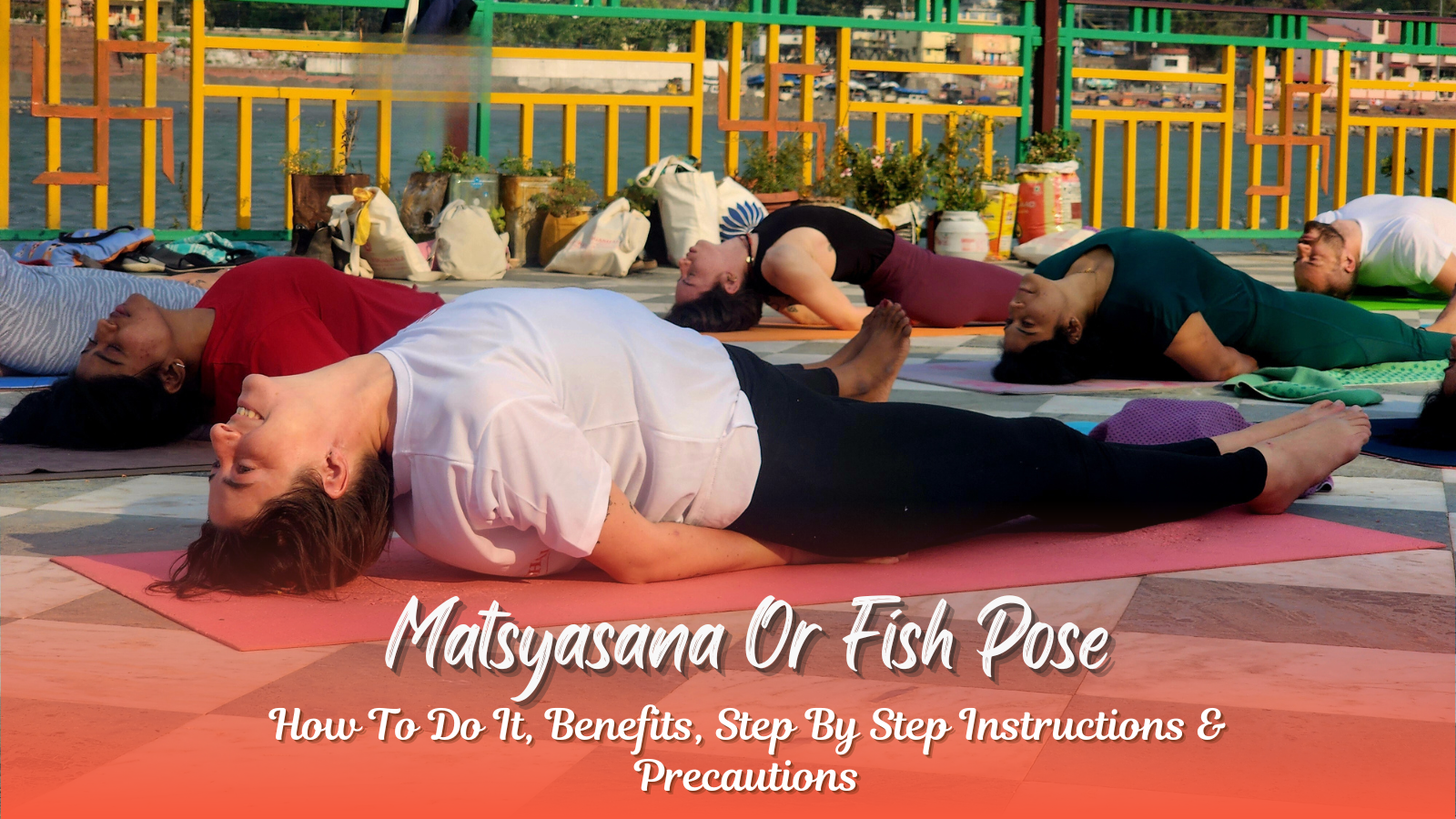
Matsyasana, commonly known as Fish Pose, is a transformative yoga asana that offers a host of physical and mental benefits. The Sanskrit term “Matsya” translates to “fish” and “asana” means “pose.” The name derives from the shape of the body while performing this posture, resembling a fish swimming gracefully in water.

This powerful yoga pose is commonly practiced in Hatha and Vinyasa yoga classes and is known for its ability to promote physical flexibility, mental clarity, and overall well-being. With its many benefits, Matsyasana is a perfect addition to any yoga routine.

How to Do Matsyasana (Fish Pose) Step by Step

Matsyasana, also referred to as Fish Pose, can be intimidating for beginners, but it is a rewarding pose with consistent practice. Here’s a step-by-step guide on how to do Matsyasana effectively:

  1. Start on Your Back: Begin by lying flat on your back with your legs extended straight and your arms at your sides. Ensure your body is relaxed.
  2. Prepare the Feet: Bend your knees and bring your heels towards your hips. Keep the soles of your feet flat on the ground.
  3. Place Your Palms: Position your palms under your buttocks with your fingers pointing towards your toes. This provides support as you move into the pose.
  4. Lift Your Chest: Inhale deeply and press into your forearms to lift your chest off the floor. Arch your back gently while keeping your legs firm on the floor.
  5. Tilt Your Head: Slowly tilt your head back, bringing the crown of your head to the ground, allowing for a gentle stretch in your neck. Hold this position for about five breaths.
  6. Release and Relax: To come out of the pose, gently lift your chest and lower your head. Relax your body and lie flat for a moment before moving on to your next asana.

Matsyasana (Fish Pose) Benefits for Body and Mind

Practicing Matsyasana offers numerous physical and mental advantages, making it a valuable addition to your yoga practice. Here are some of the key benefits:

  • Improves Spinal Flexibility: The gentle backbend helps open up the chest, neck, and spine, stretching tight muscles that accumulate from poor posture, particularly from sitting at desks or working on computers.
  • Strengthens Core Muscles: While lifting the chest and keeping your body arched, you engage your abdominal muscles, strengthening your core and improving overall stability.
  • Boosts Digestive Health: Matsyasana compresses the digestive organs, which enhances digestion, alleviates bloating, and supports metabolism. This posture also promotes regular bowel movements and reduces constipation.
  • Stimulates the Thyroid: The slight pressure placed on the throat during the pose stimulates the thyroid gland, which regulates metabolism and energy levels, making Matsyasana great for boosting energy and overall vitality.
  • Enhances Respiratory Function: The chest-opening effect of the pose encourages deeper breathing, expanding lung capacity and improving oxygen intake, which is especially beneficial for those suffering from respiratory issues such as asthma or bronchitis.
  • Relieves Stress and Anxiety: Deep breathing combined with the stretch helps calm the nervous system, alleviating tension and reducing stress. It can also improve sleep quality by relaxing the mind and body.
  • Improves Posture: Regular practice of Matsyasana strengthens the muscles along the spine, which can counteract the effects of poor posture caused by prolonged sitting or desk jobs.
  • Promotes Mental Clarity: By expanding the chest and focusing on the breath, Matsyasana fosters mental clarity and concentration, making it an excellent pose for mindfulness.

Precautions to Keep in Mind While Practicing Matsyasana

As with any yoga pose, it’s essential to practice Matsyasana with caution to avoid injury. Here are some important precautions to consider:

  • Warm-Up First: Begin your practice with gentle stretches or Sun Salutations to loosen up your muscles before attempting this deeper stretch.
  • Listen to Your Body: Never push yourself into the pose if you feel pain or discomfort. If the neck feels strained, gently release and come out of the pose.
  • Avoid Forceful Movements: Move into the pose slowly and avoid jerking or forcing your body into the position, especially when you’re still building flexibility.
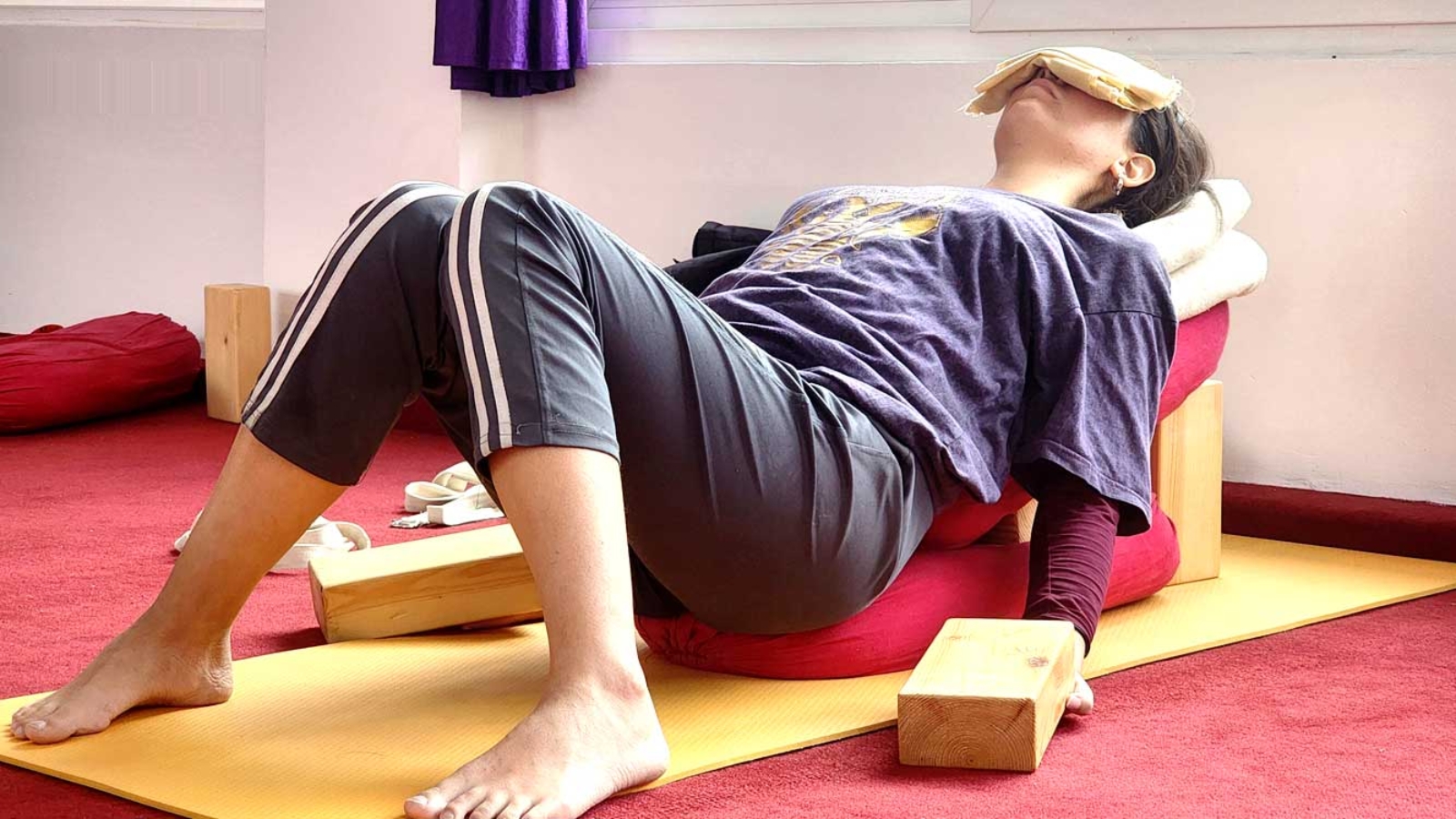
  • Use Support if Necessary: If you’re a beginner or have neck or back issues, use props like a yoga block or blanket to support your head and body.
  • Pregnancy Consideration: Pregnant women should avoid performing Matsyasana as it may put too much pressure on the abdomen. Similarly, if you have neck or shoulder injuries, it’s advisable to avoid this pose.
  • Be Mindful of Blood Pressure: If you have high or low blood pressure, consult a healthcare professional before practicing Matsyasana, as it may cause a sudden change in blood flow.
 Matsyasana

Matsyasana Fish Pose in Yoga Teacher Training

If you’re passionate about yoga and want to dive deeper into its practice, consider joining a Best Yoga Teacher Training in Rishikesh. Whether you choose a 200-hour Yoga Teacher Training course in Rishikesh, a 300-hour Yoga Teacher Training in Rishikesh, or the extensive 500-hour Yoga Teacher Training in Rishikesh, Rishikesh offers comprehensive training to deepen your understanding of postures like Matsyasana, their benefits, and their proper execution.

With expert guidance, you will master poses like Matsyasana, learn how to teach them effectively, and understand their therapeutic uses. A yoga teacher training course will provide you with the tools to enhance your personal practice and equip you to inspire others.

Conclusion

Matsyasana, or Fish Pose, is a transformative asana that enhances flexibility, strengthens muscles, stimulates vital organs, and calms the mind. By practicing this posture regularly, you can enjoy its physical and mental benefits, from better posture to reduced stress and improved digestion.

For those looking to deepen their yoga practice, enrolling in a Yoga Teacher Training in Rishikesh is an excellent opportunity to explore asanas like Matsyasana Fish Pose, learn their full benefits, and gain the skills to share yoga with others.

Always remember to listen to your body, practice patience, and modify the pose as needed to safely enjoy the profound benefits that Matsyasana offers. Namaste!

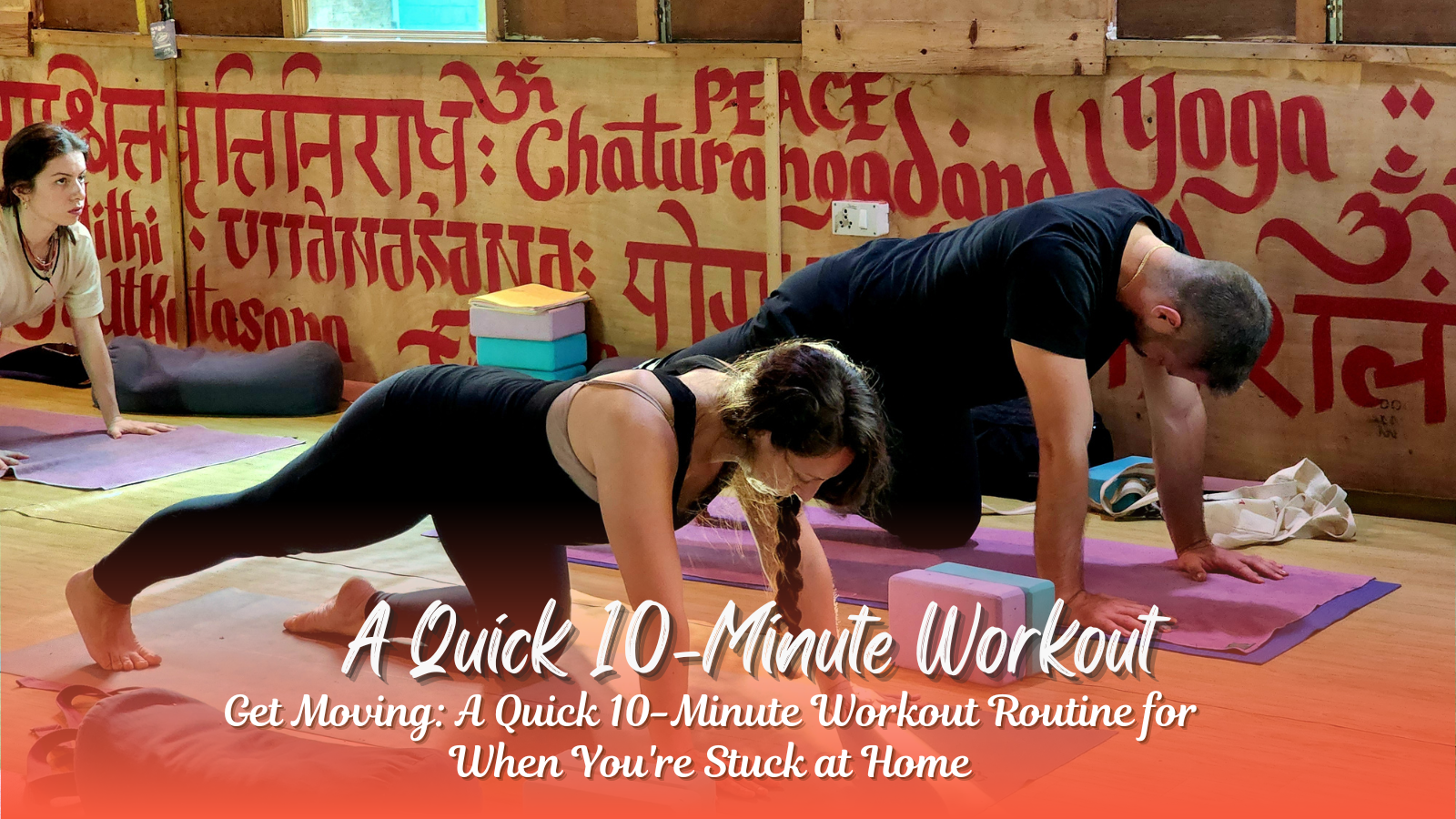
10-Minute Workout Routine for When You're Stuck at Home

The Ultimate 10-Minute Yoga Workout Routine for a Healthy Body and Mind

If you’re unable to leave your home due to work commitments or family responsibilities, don’t worry! Yoga is a powerful and ancient healing modality that you can practice anytime, anywhere. Whether you’re a beginner or an experienced practitioner, this 10-minute yoga workout routine will help you stay fit and energized.

Yoga is accessible to everyone, regardless of age, gender, or fitness level. If you’re serious about deepening your practice, you can enroll in a 200-hour yoga teacher training course in Rishikesh at Gurukul Yogashala, one of the best yoga schools in India. Meanwhile, start with this simple yet effective yoga workout routine to build flexibility and strength at home.


Easy and Effective 10-Minute Yoga Workout Routine

1. Sukshma Vyayama (Subtle Body Movements)

Sukshma Vyayama consists of simple dynamic movements that activate pranic energy and improve joint health. This is a great way to warm up before practicing yoga asanas.

  • Start with ankle rotations to loosen up the lower body.
  • Move on to knee bending and wrist rotations to improve flexibility.
  • Perform shoulder and neck rotations for better mobility.
  • This routine helps increase blood circulation, body coordination, and flexibility.
  • Many students in the 200-hour yoga teacher training in Rishikesh learn these techniques before starting advanced poses.

2. Sukhasana (Easy Sitting Pose)

Sukhasana is a simple seated posture that promotes relaxation and mental clarity.

  • Sit cross-legged with your hands resting on your knees.
  • Keep your spine straight and shoulders relaxed.
  • Practice deep breathing or meditation in this position.
  • This pose helps relieve lower back pain, reduce stress, and improve heart health.
  • Most yogis use this pose for meditation and mindfulness practices.

3. Dandasana (Staff Pose)

Dandasana strengthens the core and improves spinal health.

  • Sit with your legs extended straight in front of you.
  • Keep your feet flexed and hands resting beside your hips.
  • Engage your core and maintain an upright posture.
  • This pose stretches the hamstrings and calves while promoting spinal awareness.
  • It is commonly included in the 200-hour yoga teacher training course in Rishikesh for beginners.

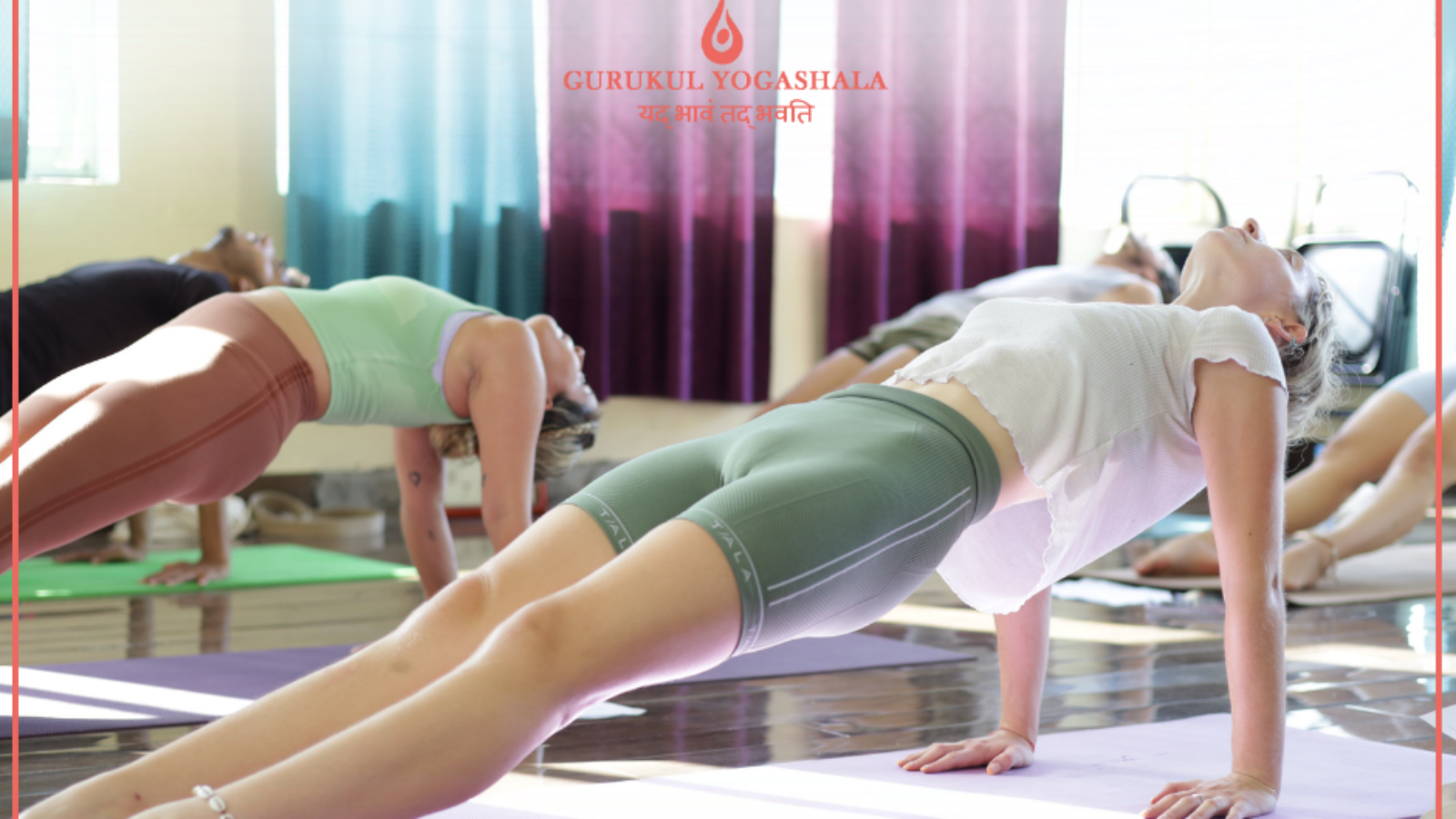
4. Urdhva Mukha Svanasana (Upward-Facing Dog)

This backbend yoga pose strengthens the arms, wrists, and spine.

  • Lie on your stomach with your hands placed beside your shoulders.
  • Inhale and lift your upper body while straightening your arms.
  • Keep your thighs and knees lifted off the mat.
  • Look up slightly and open your chest.
  • This asana improves posture and alleviates lower back pain.

5. Adho Mukha Svanasana (Downward-Facing Dog)

One of the most well-known yoga poses, it strengthens the entire body.

  • Start in a tabletop position on your hands and knees.
  • Press your palms and feet into the mat while lifting your hips.
  • Form an inverted V-shape with your body.
  • Engage your core and keep your spine straight.
  • This pose enhances blood circulation and calms the mind.

6. Balasana (Child’s Pose)

A perfect relaxation pose, Balasana helps release tension in the body.

  • Sit on your heels with your knees slightly apart.
  • Inhale and extend your arms forward while lowering your torso.
  • Rest your forehead on the mat and breathe deeply.
  • This pose promotes deep relaxation and relieves stress.
  • It is often used to end a good workout routine for maximum relaxation.

Benefits of This 10-Minute Yoga Routine

  • Improves flexibility and posture
  • Enhances blood circulation and energy levels
  • Strengthens core muscles and joints
  • Reduces stress and anxiety
  • Helps in mindfulness and better focus

If you are looking for a structured workout routine, yoga can be a great alternative to traditional exercises. Many people, including celebrities like Taylor Swift, incorporate yoga into their fitness regime. If you’re considering a 5-day workout routine, adding yoga can make a significant difference.


Deepen Your Yoga Practice in Rishikesh

If you’re inspired to take your yoga journey to the next level, consider enrolling in one of the top yoga teacher training programs in Rishikesh:

Whether you’re looking for a workout routine for men or a holistic wellness practice, yoga provides incredible benefits. If you’re wondering “does Under Armour have workout routines?”, you’ll find that yoga is an excellent alternative to conventional fitness programs.


Final Thoughts

This 10-minute yoga workout routine is a simple yet powerful way to stay active and improve overall well-being. If you want to learn more, consider training at Gurukul Yogashala, one of the best yoga schools in India.

Whether you’re exploring routine vs workout options or searching for good workout routines, yoga offers a holistic approach to fitness. Start today and experience the transformative power of yoga!

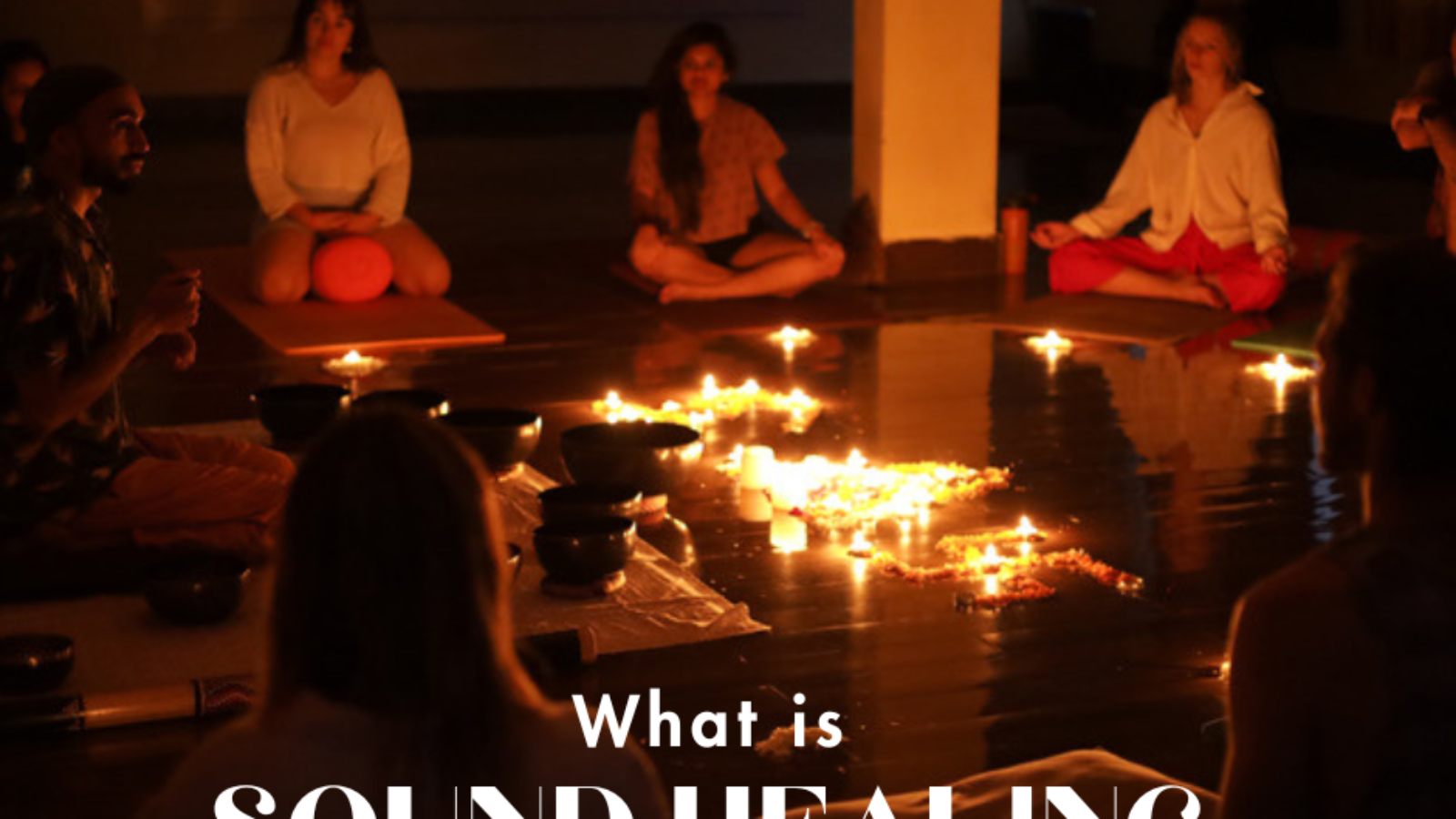
what is sound healing

Benefits Of Sound Healing And How Does Sound Healing Works?

Sound healing meditation, a practice that utilizes the therapeutic properties of sound vibrations to promote well-being, has a deep and harmonious connection with one of the oldest scriptures in the world, the Samaveda. The Samaveda, one of the four Vedas, is a sacred text of ancient India that is primarily focused on the profound importance of sound, particularly through the singing of sacred hymns. This ancient knowledge serves as a significant source of inspiration for sound healing practices today.

prenatal yoga

Prenatal Yoga: A New Complete Guide for Expecting Mothers

You’re expecting a child?! Congratulations! You must be excited, afraid, delighted, and overwhelmed all at once. It must be difficult to put your finger on exactly what you’re feeling. The kicks are enjoyable, but the cramps are incapacitating. You could be overjoyed one moment and filled with emotion the next. Nothing adequately describes the sensation of having a life developing inside of you. You may also suffer mood swings as a result of hormonal changes. Yoga is undoubtedly a blessing that can help you sail through the journey of pregnancy in a smooth manner. The general benefits of yoga can be accessed here.

Ashtanga Vinyasa Yoga

Ashtanga Vinyasa Yoga: Strength, Flexibility & New Mindful Flow

Ashtanga Vinyasa Yoga

The Transformative Power of Ashtanga Vinyasa Yoga

Learn about the transformative impact of Ashtanga Vinyasa Yoga, a vibrant and timeless practice that has captivated the yoga community. More than just physical exercise, Ashtanga and Vinyasa Yoga seamlessly synchronize breath with movement, guiding practitioners on a profound journey of self-discovery, strength and total well-being.

Origins and Philosophy of Ashtanga Vinyasa Yoga

Rooted in ancient Indian traditions, Ashtanga Vinyasa traces its origins to sacred texts and was popularized by K. Pattabhi Jois in the 20th century. It follows the eightfold path outlined by the sage Patanjali, which includes ethical principles, postures, breath control, sense withdrawal, concentration, meditation and self-realization. This structured approach makes Vinyasa and Ashtanga Yoga a holistic practice that nurtures both body and mind.

Principles and Fundamentals of Ashtanga Vinyasa Yoga

Primary Series and Vinyasa Flow

The Ashtanga Vinyasa Yoga poses are structured into sequences, starting with the Primary Series. This dynamic flow of asanas builds strength, flexibility, and endurance while detoxifying the body and calming the mind.

Key Poses in the Primary Series:

  • Surya Namaskar A & B (Sun Salutations)
  • Standing Postures: Trikonasana, Parsvakonasana, Prasarita Padottanasana
  • Seated Postures: Paschimottanasana, Marichyasana, Navasana
  • Backbends & Finishing Poses: Urdhva Dhanurasana, Sirsasana, Savasana

Each pose in the Ashtanga Vinyasa Yoga sequence transitions fluidly through breath and movement, known as Vinyasa.

Breath Synchronization and Energy Locks

The deep, rhythmic Ujjayi breath generates internal heat and enhances focus, while Bandhas (energy locks) help direct prana (life force) within the body, maximizing the Ashtanga VinyasaYoga benefits to practice it.

Drishti: The Gaze

Drishti, or focused gaze, deepens concentration, creating a meditative state within movement. This mindfulness technique cultivates self-awareness and strengthens the mind-body connection.

Benefits of Practicing Ashtanga Vinyasa Yoga

Regular practice of Ashtanga and Vinyasa Yoga offers numerous health benefits:

  1. Enhances Strength and Flexibility: Builds core strength and improves muscle tone.
  2. Enhances Breath Control: Practice emphasizes synchronized breathing (Ujjayi Pranayama)
  3. Boosts Mental Clarity and Focus: Encourages mindfulness and reduces stress.
  4. Improves Circulation and Detoxification: The structured sequence purifies the body.
  5. Promotes Holistic Well-Being: Increases vitality, stability, and emotional balance.

Practical Tips for Beginners

Starting an Ashtanga Vinyasa Yoga journey can be exciting yet challenging. Here are some tips:

  • Find a Certified Teacher: A structured learning environment fosters growth.
  • Be Patient and Consistent: Progress comes with dedicated practice.
  • Modify as Needed: Adapt poses according to your comfort level.
  • Create a Dedicated Practice Space: A calm environment enhances focus.

Advancing Your Ashtanga Vinyasa Yoga Practice

To deepen your practice, consider:

  • Mysore Style Practice: Move at your own pace under expert guidance.
  • Enrolling in an Ashtanga Vinyasa Yoga Teacher Training: Formal training refines skills and prepares practitioners to teach.
  • Attending Workshops with Experienced Teachers: Gain insights and advanced techniques.

Safety Precautions and Modifications

To practice safely:

  • Prioritize Proper Alignment: Follow instructor cues to prevent injuries.
  • Honor Your Body’s Limits: Modify poses as needed and avoid strain.
  • Listen to Your Breath: If your breath becomes erratic, ease into the pose.

Ashtanga Vinyasa Yoga Teacher Training

If you are passionate about deepening your knowledge, consider joining an Ashtanga Vinyasa Yoga Teacher Training program. This intensive training covers asanas, pranayama, meditation, philosophy and teaching techniques, equipping you with the skills to guide others on their yoga journey.

At Gurukul Yogashala, we offer 200 hour yoga teacher training programs in Rishikesh, and 300 hour yoga teacher training course in Rishikesh, India. Our courses are led by experienced, certified instructors in a supportive and inclusive environment.

To learn more, visit our website or contact us today. Start your journey toward mastering Ashtanga Vinyasa Yoga and experience its profound impact on your body, mind, and soul.

Yoga teacher training in Rishikesh – A holistic journey to inner peace and well-being. Strengthen your body, calm your mind, and embrace the art of yoga at a leading yoga school in Rishikesh.

5 Secret to Living a Healthy Life with Yoga and Mindfulness

Yoga is helpful to improve our healthy life.

Yoga is helpful to improve our healthy life. In a world full of problems, tensions, and stress, we all feel stuck in the rat race of life. At times we feel drained because of working long hours, overthinking, relationships fight and many other things that bring negativity to our mind. But if you focus and put your mind in the right direction you can deal with all the stress in your life.

All you need to do is to practice a healthy life and get exposed to the magical wonder yoga can do to you. For that, you will have to indulge your mind, body, and, soul in unleashing the true powers of yoga. If you really want to transform your life then get on the journey to having control over your life by knowing the magical health benefits of yoga.

How does yoga help us lead a healthy life?

In today’s fast-paced and stressful world, finding peace and balance can feel overwhelming. But what if the solution lies within you? That’s where yoga teacher training in Rishikesh comes in. More than just a physical workout, yoga is a journey toward a healthier, more fulfilling life.

As we move through postures, each movement becomes a meditation in motion. The combination of physical exertion and controlled breathing helps calm the mind, reducing stress and anxiety. Our bodies benefit too—stretching and strengthening muscles, improving flexibility, posture, and overall fitness. Practicing at a yoga school in Rishikesh allows for a holistic approach, touching every aspect of well-being.

Yoga not only enhances physical health but also nurtures the soul, helping us find inner peace even amidst daily chaos. Whether at sunrise or under the stillness of the night, yoga becomes a sanctuary of calm—a moment of peace in a world that never stops. With that said, yoga has never-ending health benefits.

Healthy life Benefits of Yoga | Gurukul Yogashala | Best Yoga Teacher Training School in Rishikesh

Here are the top 10 Health Benefits of Yoga that you should know about:

Enhances mental well-being: 

Yoga can help improve mood and mental clarity, promoting a sense of inner peace, calm and healthy life.

Promotes better sleep: 

Yoga has been shown to improve sleep quality and duration, helping to combat insomnia.

Boosts energy levels: 

Deep breathing and physical movements in yoga can help increase energy levels and reduce fatigue and live healthy life.

Manages chronic pain: 

Certain yoga postures and techniques can help alleviate chronic pain, such as back pain or arthritis.

Improves breathing: 

Yoga emphasizes breathing techniques that can help improve lung capacity and overall breathing function for healthy life.

Enhances focus and concentration: 

The meditative elements of yoga can help improve focus and concentration, making it a useful tool for work or study and healthy life.

Supports healthy weight management: 

Regular yoga practice can help promote healthy life, weight management through increased physical activity and improved mindfulness around food and eating habits.

Promotes self-awareness and self-care: 

By focusing on the connection between the body and mind, yoga can help increase self-awareness and promote a more holistic approach to self-care and healthy life.  With yoga and its umpteen number of benefits, you can completely reshape your mind, body, and, soul. But can practicing yoga help you relieve stress? Yes, it can. Here is what happens to your mind when you indulge yourself in yoga shastra.

With yoga and its umpteen number of benefits, you can completely reshape your mind, body and soul. But can practicing yoga help you relieve stress? Yes, it can. Here is what happens to your mind when you indulge yourself in yoga shastra.

Practicing yoga for stress relief

As we move through the postures, our focus shifts inward, calming the mind and reducing stress and anxiety. Controlled breathing helps to regulate our emotions, promoting feelings of calm, inner peace and healthy life. The meditative elements of yoga, such as mindfulness and self-reflection, can help to boost our mood and improve emotional well-being.

Yoga is like a warm embrace for the mind, comforting us in moments of turmoil and offering a sense of tranquillity in a world that can often feel overwhelming. With each practice, we become more self-aware and in tune with our emotions, leading to greater emotional intelligence and resilience. So, why not try yoga for yourself and discover the transformative power it can have on your mind? Experience the peace and calm that yoga has to offer, and embrace a clearer and more contented mind


Here are a few ways yoga can be used to improve your mental health.

  1. Reduces stress and anxiety
  2. Improves mood and emotional well-being
  3. Boosts self-esteem and confidence
  4. Promotes relaxation and stress management
  5. Enhances focus and concentration
  6. Improves sleep quality
  7. Increases feelings of calm and inner peace
  8. Reduces symptoms of depression
  9. Promotes mindfulness and self-awareness
  10. Improves memory and cognitive function
  11. Decreases feelings of tension and irritability
  12. Boosts feelings of positivity and happiness
  13. Increases feelings of self-acceptance and self-love
  14. Helps manage anger and frustration
  15. Enhances feelings of relaxation and rejuvenation
  16. Promotes overall well-being and satisfaction with life
  17. Improves relationships with others
  18. Boosts creativity and problem-solving abilities
  19. Decreases symptoms of PTSD and trauma
  20. Improves stress tolerance and coping mechanisms.

Boost energy with yoga for to living a healthy life

We all have days when we feel drained and lacking in energy. But, did you know that yoga can be the cure for your sluggishness? By incorporating yoga into your daily routine, you can tap into a wellspring of energy, and feel revitalized and rejuvenated in no time.

With its combination of physical postures, controlled breathing and mindfulness, yoga can help to boost energy levels and fight fatigue. The physical movements increase circulation and oxygen flow, providing a boost of energy to the body and mind. The deep breathing exercises help to oxygenate the body, invigorating and recharging the system.

Yoga also helps to reduce stress and anxiety, which can contribute to feelings of exhaustion. By promoting relaxation and inner peace, yoga allows you to release pent-up tension, helping you to feel recharged and refreshed.

So why not start your day with a yoga practice and experience the transformative power it has on your energy levels? From sun salutations to standing poses, there’s a yoga practice for every level of fitness and ability. By taking a few moments to focus on your breath and body, you’ll tap into a well of energy that will carry you through the day with ease.

Physical benefits of yoga for a healthy life

In addition to building strength and flexibility, yoga teacher training in Rishikesh also has the power to heal. It can help alleviate pain and reduce symptoms of chronic conditions such as arthritis, back pain, and headaches. The controlled movements and deep breathing techniques taught at a yoga school in Rishikesh help calm the mind, reducing stress and tension while promoting healing and regeneration.

Practicing yoga improves balance, coordination, and posture. As you move through poses in a 200-hour yoga teacher training in Rishikesh, you strengthen your core, enhance stability, and reduce the risk of injuries. With improved posture and strength, even daily activities like walking and sitting become easier and more effortless.

So, what are you waiting for? Join the best yoga teacher training in Rishikesh and experience the transformative benefits of yoga for a healthier and more fulfilling life—one breath at a time.