yoga sequence

How to Create a Yoga Sequence: 5 Step-by-Step Guide for Beginners

Yoga has gained global recognition for its profound benefits on the mind, body, and spirit. Whether you’re new to yoga or looking to structure your practice, understanding how to create a yoga sequence is essential. From yin yoga sequences to power vinyasa yoga sequences, a well-planned routine enhances flexibility, strength, and relaxation.

This guide will walk you through setting up a home yoga practice, preparing your body and mind, and exploring different yoga sequences that suit your needs.

Creating a Sacred Space for Yoga Practice

Before you start your yoga sequence, it’s important to set up a dedicated, distraction-free space. Here’s how:

  • Choose a Quiet Spot: Find an area in your home where you won’t be disturbed.
  • Use a Yoga Mat: A non-slip mat provides stability and prevents injuries.
  • Ensure Natural Lighting: Sunlight boosts mood and helps the body produce Vitamin D.
  • Invest in Yoga Props: Use bolsters, cushions, straps and blocks for support.
  • Keep the Area Clutter-Free: A clean space promotes focus and relaxation.
  • Enhance the Atmosphere: Add candles, incense, or calming music to set the mood.

If you want an immersive experience, consider joining a 200-hour yoga teacher training course in Rishikesh, where you’ll practice in an inspiring, peaceful environment.

Preparing the Body and Mind for Yoga Practice

A successful yoga flow sequence starts with proper preparation. Follow these key steps:

  • Warm Up First: Stretching prevents injuries and improves flexibility.
  • Practice on an Empty Stomach: Avoid eating heavy meals before your session.
  • Stay Hydrated: Drink water to prevent dehydration, especially in hot climates.
  • Start Slow: Ease into your practice and gradually increase intensity.
  • Focus on Your Breath: Controlled breathing enhances mindfulness and energy flow

Many yoga schools, including those offering 500-hour yoga teacher training in Rishikesh, emphasize these fundamental principles.

Beginner-Friendly Yoga Poses: A Stepwise Guide

Now that your space is ready and your body is prepared, let’s dive into a basic yoga sequence that includes foundational poses.

1. Mountain Pose (Tadasana)

  • A fundamental pose that improves posture and balance.
  • Stand with feet together, arms at your sides and engage your core.
  • Inhale, lift your arms overhead, and elongate your spine.
  • Exhale, relax your shoulders and return to the starting position.

This pose is commonly included in Hatha yoga sequences and Ashtanga yoga sequences as a warm-up.

2. Cat-Cow Pose (Marjaryasana-Bitilasana)

  • A dynamic movement that enhances spinal flexibility and breath awareness.
  • Start on all fours, with hands under shoulders and knees under hips.
  • Inhale, arch your back, lift your chin and drop your belly (Cow Pose).
  • Exhale, round your spine, tuck your chin, and engage your core (Cat Pose).

This spine-stretching yoga sequence improves mobility and relieves tension.

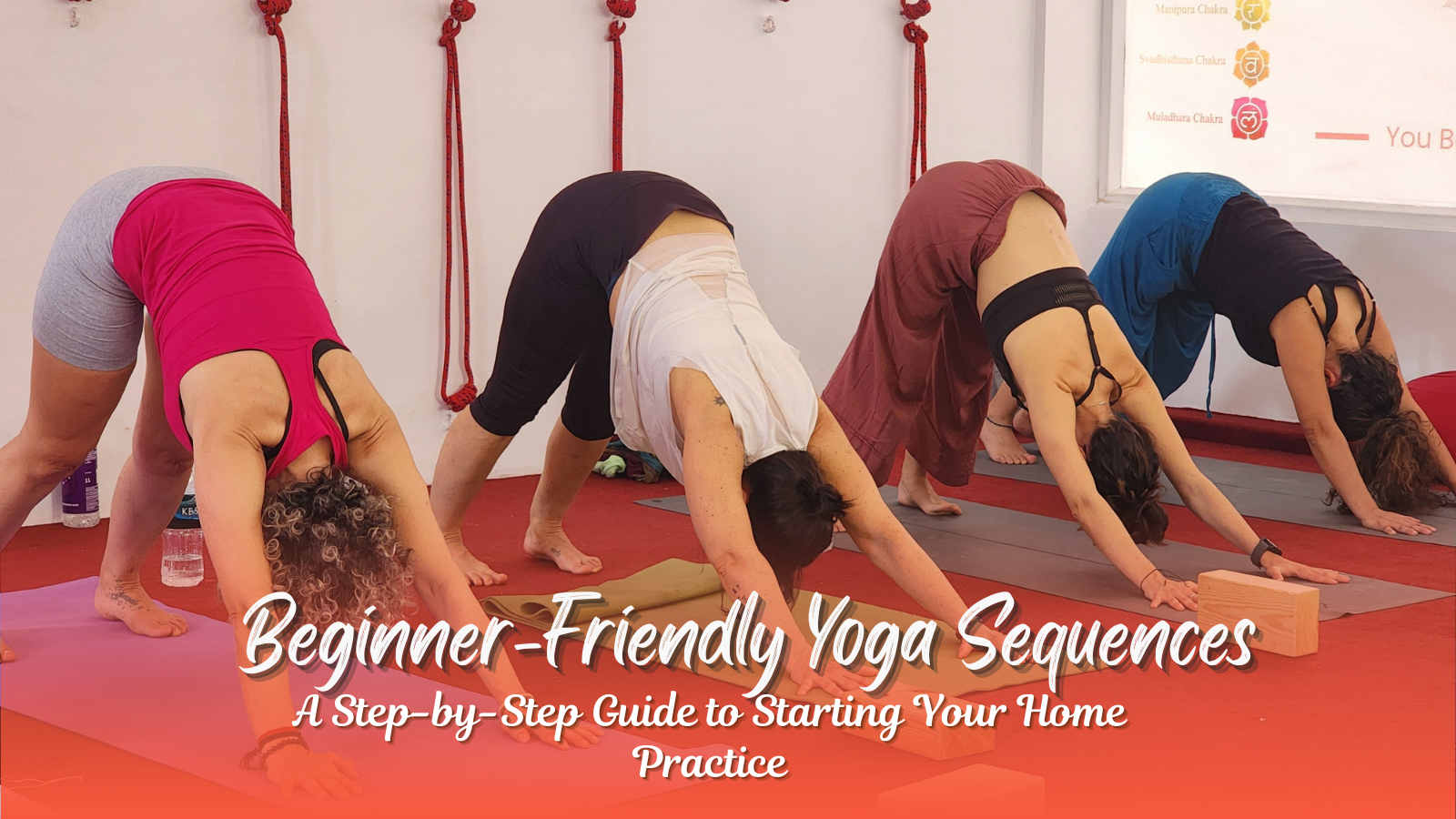
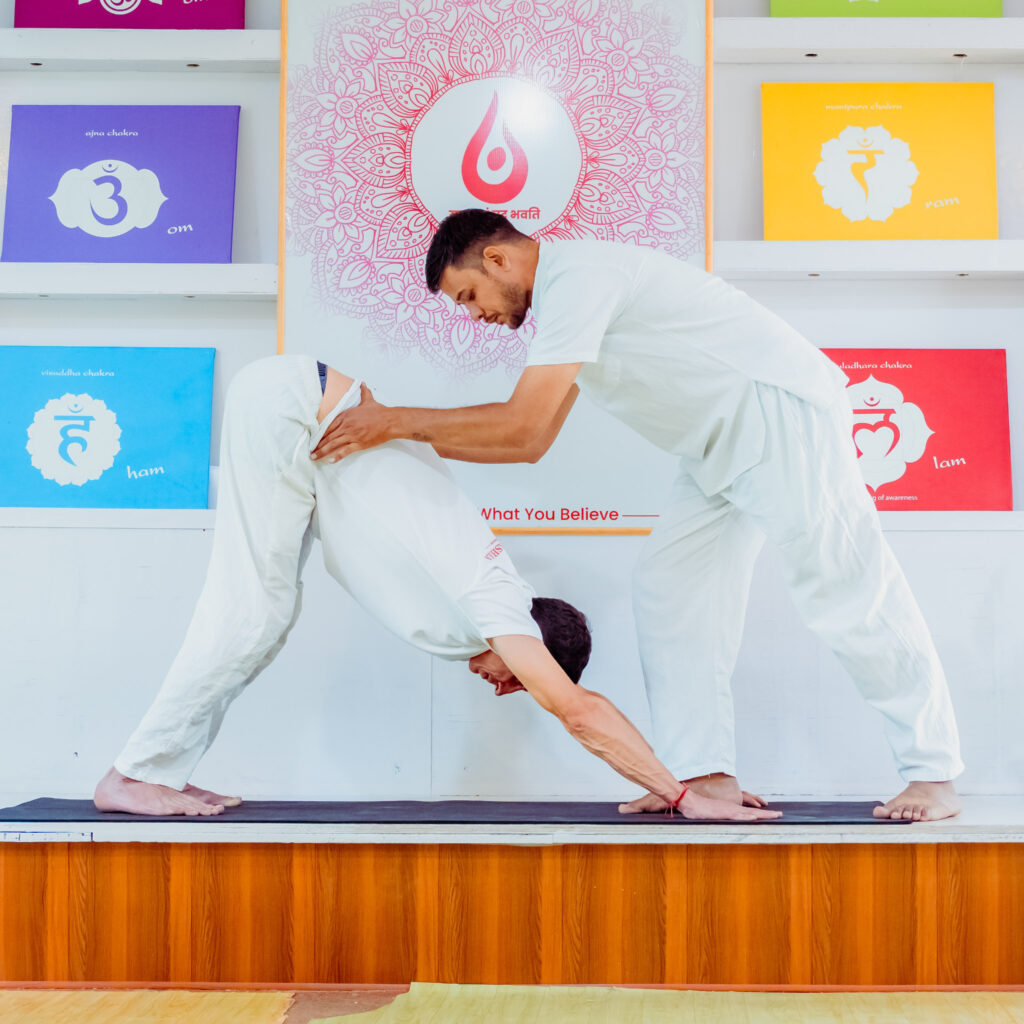
3. Downward Facing Dog (Adho Mukha Svanasana)

  • A strengthening pose that improves circulation and stretches the entire body.
  • Begin on all fours, tuck your toes, and lift your hips toward the ceiling.
  • Keep your spine straight, heels pressing toward the floor.
  • Hold for a few breaths, keeping your neck relaxed.

Downward Dog is a key component in Vinyasa yoga sequences and Power yoga sequences.

4. Warrior I Pose (Virabhadrasana I)

  • Builds strength, stability, and flexibility.
  • Step one foot forward into a lunge, keeping the back leg straight.
  • Raise your arms overhead, palms together, and engage your core.
  • Hold for a few breaths before switching sides.

This pose is an essential part of Power Vinyasa yoga sequences and Hatha yoga sequences.

5. Child’s Pose (Balasana)

  • A gentle, restorative pose that promotes relaxation.
  • Sit on your heels, extend your arms forward, and lower your forehead to the mat.
  • Focus on deep breathing to release tension.

This is an excellent restorative yoga sequence pose to finish your session.

Exploring Different Yoga Sequences

There are various styles of yoga, each with unique benefits. Here’s a breakdown:

1. Hatha Yoga Sequence

  • Focuses on foundational poses and breath control.
  • Ideal for beginners looking for a slower-paced practice.

2. Vinyasa Yoga Sequence

  • Involves fluid movements linked to breath.
  • Great for building strength and flexibility.

3. Yin Yoga Practice

  • Consists of deep stretches held for longer durations.
  • Enhances flexibility and relaxation.

4. Power Yoga Flow

  • A vigorous practice that builds endurance and strength.
  • Includes dynamic movements like push-ups and core exercises.

5. Restorative Yoga Sequence

  • Uses props to support poses for deep relaxation.
  • Beneficial for stress relief and recovery.

For in-depth learning, consider enrolling in a 300-hour yoga teacher training in Rishikesh, which covers all these styles.

How to Build Your Own Yoga Sequence

If you’re wondering how to create a yoga sequence tailored to your needs, follow these steps:

  1. Set an Intention: Define your practice goals (flexibility, strength, relaxation).
  2. Choose a Warm-Up: Start with gentle stretches and breathing exercises.
  3. Incorporate Standing Poses: Include poses like Warrior I, Mountain Pose, and Chair Pose.
  4. Add Balance Poses: Tree Pose or Eagle Pose enhances stability.
  5. Include Seated and Floor Poses: Forward folds and hip openers aid flexibility.
  6. End with Relaxation: Finish with Savasana or a meditation session.

Using a yoga sequence builder can help you customize your routine effectively.

Final Words

Practicing yoga regularly can transform your physical and mental well-being. Whether you’re following a somatic yoga sequence PDF or attending the best yoga teacher training in Rishikesh, consistency is key.

By understanding what are the five sequences of a yoga class and tailoring your routine, you can create a fulfilling yoga practice that suits your needs.

Ready to deepen your practice? Join a 200-hour yoga teacher training in Rishikesh and take your journey to the next level!

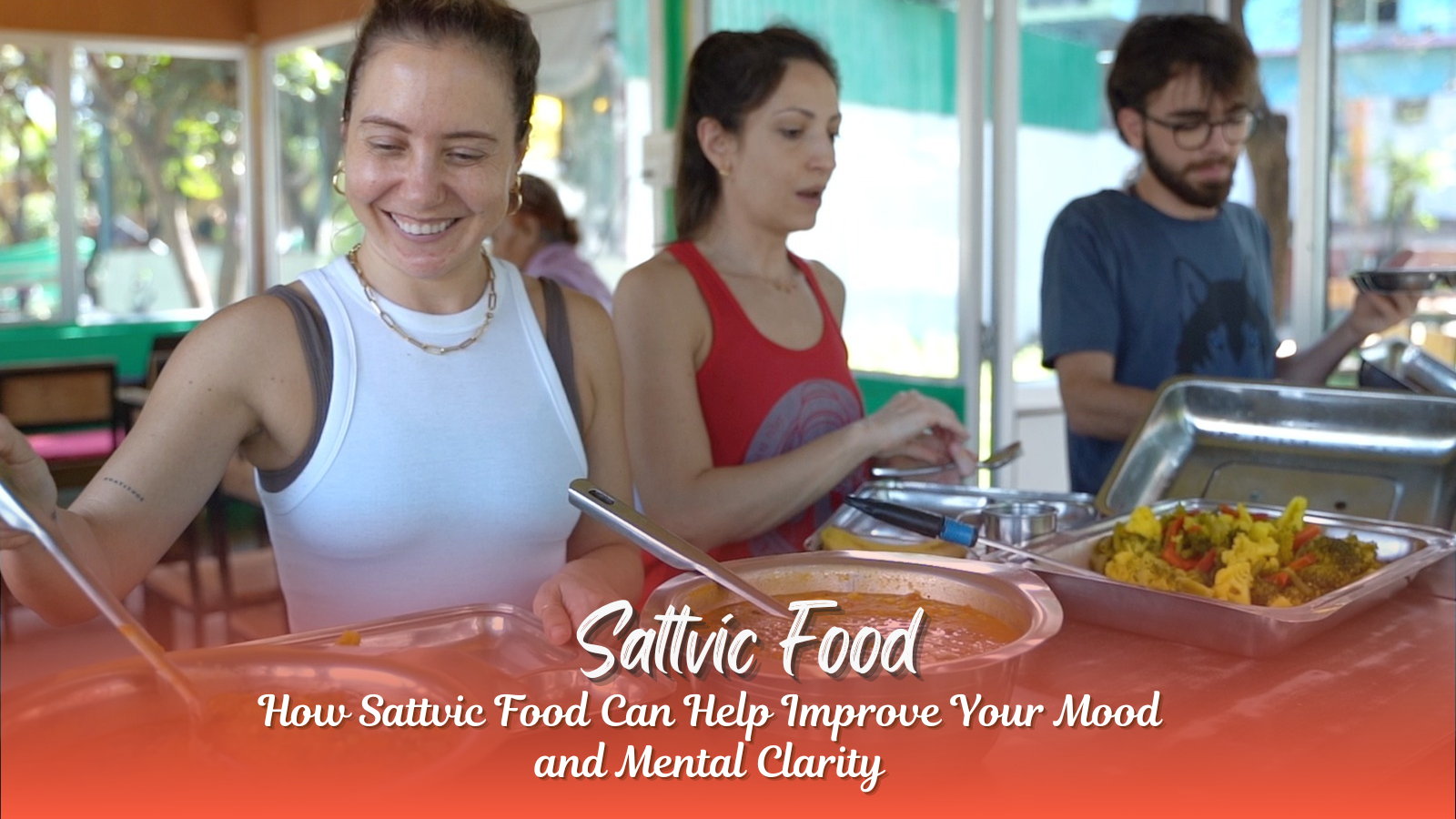
How Sattvic Food Can Help Improve Your Mood and Mental Clarity

Does the Gita Say You Can Only Offer Sattvic Food? 4 Understanding the Sattvic Lifestyle

Sattvic food is often associated with purity, nourishment, and spiritual upliftment. But does the Bhagavad Gita mandate the offering of only Sattvic food? In the Gita, food is categorized into three types: Sattvic (pure and balanced), Rajasic (stimulating) and Tamasic (dulling and heavy). Understanding these classifications can help individuals align their diet with their spiritual and physical well-being.

Whether you are practicing yoga or seeking a yogic diet, knowing what is Sattvic food, its benefits and its impact on the mind and body is essential. This article will explore the Bhagavad Gita on food, the significance of Sattvic food, and how it differs from Rajasic and Tamasic foods.

If you are a yoga enthusiast, particularly considering a 200-hour yoga teacher training course in Rishikesh, this guide will deepen your understanding of Sattvic food and its role in the yogic lifestyle.

What is Sattvic Food?

Sattvic food, also referred to as Saatvik food, is known for its purity, lightness, and life-enhancing properties. It is believed to bring mental clarity, physical well-being, and spiritual growth.

Key Features of Sattvic Food:

✔️ Fresh, natural, and organic ingredients
✔️ Free from artificial additives and preservatives
✔️ Vegetarian or plant-based diet
✔️ Easily digestible, promoting gut health
✔️ Supports a balanced mind and body

A Sattvic diet plan is commonly followed by yoga practitioners, Ayurvedic experts, and spiritual seekers, as it fosters inner peace and optimal health.

The Role of Food in the Bhagavad Gita

The Bhagavad Gita on food emphasizes the profound impact that diet has on the body, mind, and soul. In Chapter 17, Verses 7-10, Lord Krishna categorizes food into Sattvic, Rajasic, and Tamasic, highlighting how each type influences our thoughts, emotions, and spiritual progress.

Sattvic Food: The Ideal Choice for Spiritual Seekers

  • Sattvic food meaning refers to pure, natural, and energy-boosting meals that nourish both the body and soul.
  • It includes fresh fruits, vegetables, grains, nuts, dairy, and herbal teas.
  • Benefits of sattvic food: Enhances clarity, peace, and vitality, making it ideal for yoga practitioners and meditators.

Rajasic and Tamasic Foods: The Disruptors of Peace

  • Rajasic food: Spicy, overly stimulating, and can lead to restlessness. Includes onions, garlic, excessive caffeine, and deep-fried food tamasic in nature.
  • Tamasic food: Heavy, processed, and stale foods that dull the mind. Includes meat, alcohol, fermented foods, and sugary treats.

Why Is Sattvic Food Recommended in the Bhagavad Gita?

  • A sattvic diet aligns with the principles of yoga and Ayurveda, promoting mental clarity, emotional stability, and spiritual elevation.
  • Following a yoga diet rich in Sattvic foods supports inner harmony and higher consciousness, essential for a yogic lifestyle.
  • In Bhagavad Gita on food, Krishna encourages devotees to consume food that is offered with love and devotion, ensuring its purity and divine energy.

Types of Food According to the Bhagavad Gita: Sattvic, Rajasic, and Tamasic

The Bhagavad Gita classifies food into three categories, based on their effects on the mind and body.

1. Sattvic Food (Pure and Harmonious)

Sattvic food promotes clarity, calmness, and overall well-being.

Fruits & Vegetables – Apples, mangoes, spinach, carrots, cucumbers
Whole Grains – Brown rice, quinoa, oats, whole wheat
Legumes & Pulses – Lentils, chickpeas, mung dal
Nuts & Seeds – Almonds, sunflower seeds, flaxseeds
Dairy (if consumed) – Fresh milk, ghee, paneer
Herbal Teas & Spices – Turmeric, ginger, tulsi, cinnamon

Many yoga schools, including the Best Yoga Teacher Training in Rishikesh, emphasize the importance of Sattvic food for holistic well-being.

2. Rajasic Food (Stimulating and Overactive)

Rajasic foods create excess energy, agitation, and restlessness.

Spicy & Salty Foods – Chilies, garlic, onions
Caffeinated Drinks – Coffee, black tea
Fermented Foods – Pickles, vinegar, alcohol
Deep-Fried Food (Tamasic) – French fries, fried snacks

3. Tamasic Food (Dulling and Heavy)

Tamasic food is stale, processed, and energy-draining, leading to mental fog and lethargy.

Processed and Preserved Foods – Canned foods, refined sugar
Meat & Alcohol – Non-vegetarian food, liquor
Stale & Overcooked Food – Leftovers, refrigerated meals

The Bhagavad Gita on food suggests that consuming Sattvic food enhances spiritual progress, while Rajasic and Tamasic foods can lead to mental agitation or dullness.

The Sattvic Diet: A Path to Healthy Lifestyle

The Sattvic diet is an integral part of Ayurveda and is closely associated with yoga. It aligns with a balanced lifestyle that includes asana, meditation, and mindfulness.

Principles of the Sattvic Diet:

  • Fresh & Seasonal: Foods should be consumed in their natural state without excessive processing.
  • Simple & Light: Overly spicy, fermented, or refined foods are avoided.
  • Mindful Eating: Food should be eaten calmly and with gratitude.
  • Balanced Nutrients: Incorporates a mix of fresh fruits, vegetables, whole grains, nuts, and herbal teas.

At Gurukul Yogashala, students are encouraged to follow this diet for better focus, improved digestion, and enhanced energy levels during their 300-hour yoga teacher training in Rishikesh.


Does the Gita Say You Can Only Offer Sattvic Food?

The Bhagavad Gita does not explicitly forbid Rajasic or Tamasic foods, but it strongly encourages Sattvic food for those seeking spiritual enlightenment. It teaches that:

✔ Food influences thoughts, emotions, and spiritual growth
✔ Sattvic diet supports discipline, mindfulness, and inner peace
✔ Tamasic and Rajasic foods may cause stress, anxiety, and lethargy

At Gurukul Yogashala, students undergoing a 300-hour yoga teacher training in Rishikesh explore the role of Sattvic food in yoga and how a balanced diet enhances meditation, concentration, and energy levels.

Influence of Food on Mind and Character

The Bhagavad Gita and Ayurveda state that “You are what you eat.” The food we consume shapes our mental state, emotions, and personality traits.

How Food Affects the Mind (Gunas and Diet)

  1. Sattvic Foods → Mental Clarity & Peace
    • Leads to calmness, compassion, and spiritual awareness.
    • Practiced in yoga teacher training school in Rishikesh for enhanced concentration.
  2. Rajasic Foods → Hyperactivity & Agitation
    • Triggers anxiety, aggression, and restlessness.
    • Consuming spicy, oily, and excessively salty foods disturbs mental balance.
  3. Tamasic Foods → Laziness & Negativity
    • Leads to lethargy, confusion, and dullness.
    • Overconsumption of tamasic food hinders yoga practice and spiritual growth.

The Connection Between Food and Karma

  • In Bhagavad Gita on food, Lord Krishna explains that food prepared with devotion and purity is free from negative karma.
  • Eating with gratitude and mindfulness purifies thoughts and actions.

Adopting a Sattvic Lifestyle for Better Mental Health

  • Yogis follow a sattvic diet to achieve spiritual balance and mental clarity.
  • 200-hour yoga teacher training course in Rishikesh includes nutrition sessions on the impact of food on mental well-being.

Benefits of a Sattvic Diet

Adopting a Sattvic diet has numerous advantages for both physical and mental well-being.

1. Enhances Digestion & Energy Levels

  • Light and fresh foods are easier to digest.
  • Provides sustained energy for daily activities and yoga practice.

2. Improves Mental Clarity & Focus

  • Reduces brain fog and enhances cognitive function.
  • Aids in meditation and mindfulness.

3. Reduces Stress & Anxiety

  • Nutrient-rich foods support mental stability.
  • Herbal teas and fresh fruits help maintain a calm nervous system.

4. Supports Spiritual Growth

  • Aids in connecting with higher consciousness.
  • Encourages a harmonious and peaceful state of mind.

5. Strengthens Immunity & Overall Health

  • Fresh, unprocessed foods boost immunity.
  • High fiber content aids in gut health.

These benefits are particularly emphasized in yoga retreats in Rishikesh, where participants experience a Sattvic diet firsthand.

At Gurukul Yogashala, yoga practitioners experience these benefits firsthand during the 500-hour yoga teacher training in Rishikesh, which integrates yogic diet principles into daily practice.


Sattvic Food Recipes for a Healthy Lifestyle

Looking for simple Sattvic food recipes? Try these:

1. Sattvic Kitchari (Detox Meal)

Ingredients:

  • 1 cup rice
  • ½ cup mung dal
  • 1 tsp turmeric
  • Cumin seeds, ginger, and rock salt

Method:

  • Rinse rice and mung dal.
  • Cook with water and spices until soft.
  • Serve warm for a light and healing meal.

2. Herbal Detox Tea

Ingredients:

  • Chamomile flowers
  • Ginger slices
  • Honey (optional)

Method:

  • Boil water and steep herbs for 5 minutes.
  • Strain and enjoy.

Such Sattvic recipes are commonly included in the meal plans at Gurukul Yogashala, helping students maintain their Sattvic lifestyle throughout their yoga teacher training in Rishikesh.

Food and Health from a Spiritual Perspective

According to Bhagavad Gita on food, diet is not just about nutrition—it is about spiritual purification and energy balance.

Why Eating Right is Essential for Spiritual Growth

  • The right food choices elevate consciousness and energy levels.
  • Eating freshly cooked, sattvic meals improves digestion, vitality, and immunity.
  • Pre yoga breakfast should be light, nutritious, and easily digestible to support asana practice.

Foods That Help with Spiritual Progress

  • Fresh organic fruits and vegetables
  • Whole grains like rice, quinoa, and wheat
  • Dairy (if tolerated) for satiety and nourishment
  • Nuts and seeds for healthy fats and sustained energy
  • Herbal teas and natural sweeteners (honey, jaggery) instead of refined sugar

The Science of Eating in Yoga

  • Practitioners at the best yoga school in Rishikesh follow Sattvic food habits to maintain spiritual focus.
  • Fasting and mindful eating are recommended to purify the digestive system and mind.
  • Yoga on empty stomach or after breakfast?
    • Best practice: Have a pre-yoga breakfast at least 1 hour before practice for optimal digestion.

FAQs on Sattvic Food and Bhagavad Gita

1. What Does Bhagavad Gita Say About Food?

The Bhagavad Gita classifies food into three categories: Sattvic, Rajasic, and Tamasic. It emphasizes that Sattvic food, which is pure, fresh, and nourishing, promotes peace, clarity, and spiritual progress. The Gita suggests that consuming the right kind of food can influence one’s thoughts, emotions, and overall well-being.

2. What is Satvik Food According to Bhagavad Gita?

Satvik food, according to the Bhagavad Gita, includes fresh, natural, and wholesome ingredients. This diet consists of fruits, vegetables, grains, nuts, dairy, and herbal teas, all of which are easy to digest and promote physical and mental harmony. It is free from excessive spices, artificial additives, and processed elements, making it ideal for maintaining a balanced and disciplined lifestyle.

3. How is Food Classified in the Bhagavad Gita?

The Bhagavad Gita categorizes food into three types based on their effects on the body and mind:
Sattvic Food: Pure, fresh, and light, promoting clarity and energy.
Rajasic Food: Spicy, salty, and stimulating, leading to restlessness.
Tamasic Food: Heavy, processed, and dulling, causing lethargy and confusion.

4. What Are Tamasic, Rajasic, and Sattvic Foods?

Sattvic Foods: Fresh fruits, whole grains, legumes, dairy, and nuts that enhance vitality and mental clarity.
Rajasic Foods: Spicy, salty, caffeinated, and fermented foods like pickles, onions, garlic, and coffee, which increase excitement and restlessness.
Tamasic Foods: Processed, stale, deep-fried, and meat-based foods, as well as alcohol, which contribute to sluggishness and negative emotions.

Following a Sattvic diet as per the Bhagavad Gita can help maintain physical health, mental peace, and spiritual progress, making it an integral part of yogic and Ayurvedic lifestyles.

Practical Guidance on Food and Eating Habits

The Bhagavad Gita, Ayurveda, and Yoga provide a holistic guide to mindful eating.

Mindful Eating According to Yoga & Ayurveda

  • Eat with Gratitude: Offer food to the Divine before consuming.
  • Chew Slowly & Eat in Silence: Enhances digestion and absorption.
  • Follow a Sattvic Diet: Fresh, plant-based meals for mental clarity & spiritual progress.
  • Avoid Overeating & Mindless Snacking: Eat only when hungry, following natural hunger cues.

Final Thoughts

A Sattvic diet is a cornerstone of the yogic lifestyle, as emphasized in the Bhagavad Gita on food. Whether you are a yoga practitioner or simply looking for a healthier lifestyle, understanding Sattvic, Rajasic, and Tamasic foods can guide you toward better mental, physical, and spiritual well-being.

At Gurukul Yogashala, students experience the power of a Sattvic diet during 200-hour, 300-hour, and 500-hour yoga teacher training in Rishikesh. By embracing pure and natural foods, you can enhance your yoga practice, meditation, and overall vitality.

Start your journey to a healthier and more mindful lifestyle today!

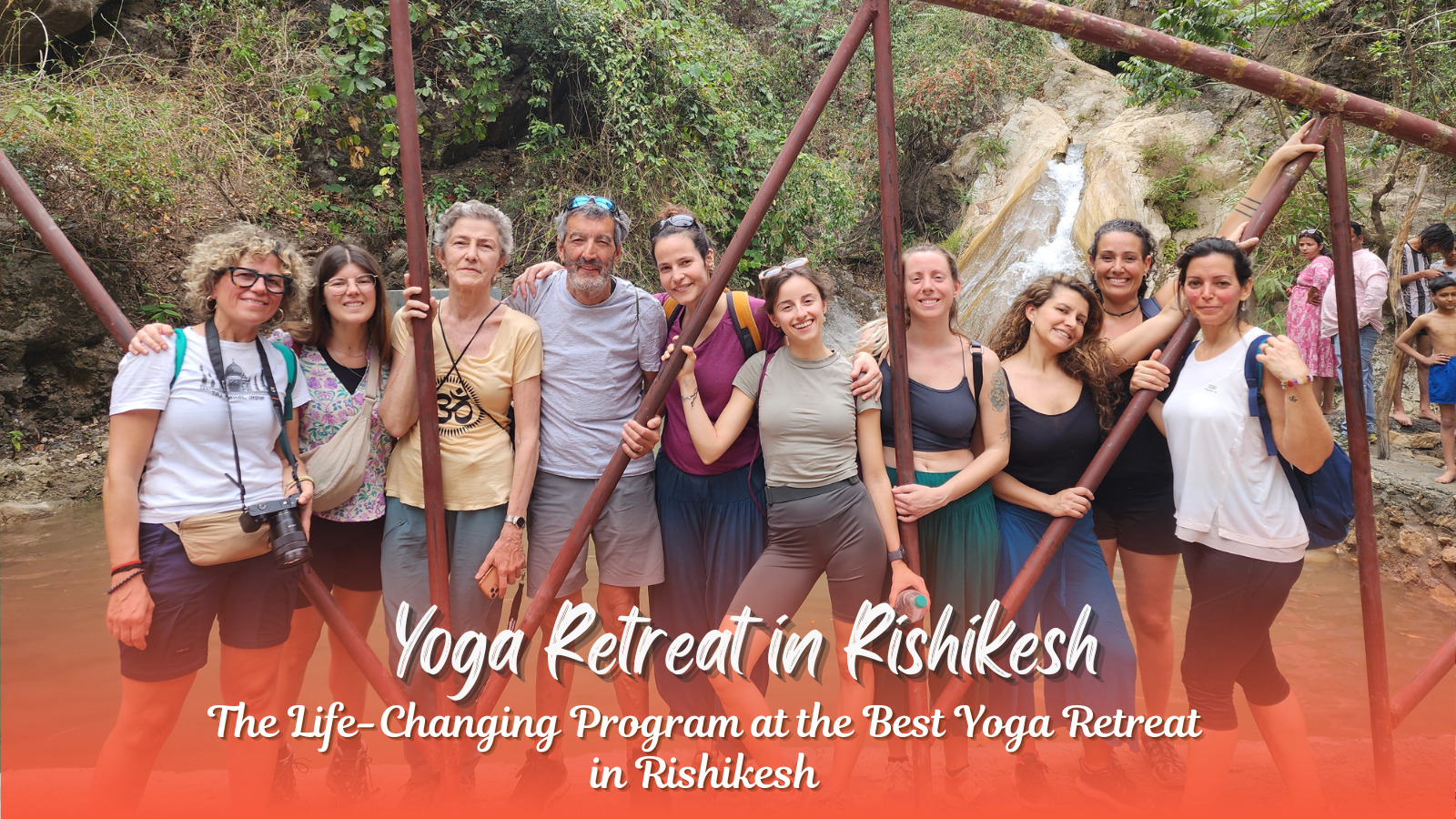
The Life-Changing Program at the Best Yoga Retreat in Rishikesh

5 Life-Changing Program At The Best Yoga Retreat in Rishikesh

Best yoga retreat in Rishikesh! Discover top-rated retreats for yoga, meditation, and spiritual growth in the Himalayas. In today’s fast-paced world, prioritizing self-care often takes a backseat. The constant pressures of work and family life can lead to stress and a disconnect from our inner selves. A yoga retreat in Rishikesh offers a powerful antidote, providing a dedicated space for rejuvenation and self-discovery. You’ve likely seen advertisements for a yoga retreat in Rishikesh, and this article will explain what these transformative experiences offer. Gurukul Yogashala offers a variety of retreats designed to meet diverse needs.

What a Best Yoga Retreat In Rishikesh Offers

Yoga retreats are short, immersive programs designed to provide a deep experiential understanding of yoga and holistic practices. Unlike in-depth yoga courses, a yoga retreat in Rishikesh focuses on practical techniques you can integrate into your daily life. Retreats can range from a few days to several weeks, offering a transformative experience in a focused timeframe.

Here’s what you can expect from a yoga retreat in Rishikesh:

  • Holistic Practices: Retreats emphasize a holistic approach, incorporating asanas (physical postures), pranayama (breathing techniques), meditation, Shatkarma (cleansing practices), sound healing, and emotional healing.
  • Immersive Experience: Retreats offer a chance to step away from daily routines and fully immerse yourself in a yogic lifestyle.
  • Beautiful Natural Settings: Yoga retreats are often held in serene natural environments, such as the foothills of the Himalayas in Rishikesh, which promotes relaxation and inner peace. Connecting with nature—whether it’s mountains, rivers, or beaches—enhances the retreat experience.
  • Sattvic Lifestyle: Retreats often incorporate a sattvic lifestyle, which emphasizes simplicity, mindfulness, and a pure diet. This typically includes three sattvic meals a day, consisting of fresh fruits, vegetables, lightly cooked whole grains, and minimal spices. Early bedtimes and early morning practices are also common.
  • Focus on Self-Practice: While retreats may touch on yogic philosophy, the primary focus is on developing a personal practice that you can continue at home.
  • Cultural and Adventure Activities: Many retreats, particularly those in Rishikesh, offer opportunities to engage in local culture and adventure activities like white-water rafting, trekking, and exploring local temples.

Gurukul Yogashala is among the best yoga retreats in Rishikesh, offering a wide array of programs to suit different needs and interests. A 7 days yoga retreat in Rishikesh is a popular option for those seeking a week-long escape.

The Transformative Impact of a Yoga Retreat

Yoga retreats can offer profound benefits on multiple levels:

  • Physical Healing: Longer retreats, such as a 21 days yoga retreat in Rishikesh, can be particularly beneficial for those seeking relief from chronic conditions. The combination of yoga, pranayama, meditation, Shatkarma (such as Basti, Neti, and Nasya), and a nourishing diet can help address issues such as back pain, arthritis, insomnia, and digestive problems.
  • Weight Management: Yoga retreats can also support weight loss goals. Specific asanas (like Dhanurasana, Trikonasana, Navasana, and Veerabhadrasana), combined with specialized massages and kriyas, can contribute to physical transformation.
  • Mental and Emotional Wellbeing: Meditation is a core component of most retreats, offering a powerful way to cultivate inner peace, reduce stress, and improve sleep. Guided meditation, mantra meditation, chakra meditation, and mindful meditation are just a few of the techniques that may be explored. These practices can be particularly helpful for those dealing with anxiety, depression, and PTSD.
  • Suitable for All Levels: Whether you’re a complete beginner or an experienced practitioner, there’s a yoga retreat for you. Many yoga center retreat options cater to different levels of experience. Even if you’ve never tried yoga before, you can find a program that’s right for you.
  • Year-Round Availability: Yoga retreats in Rishikesh are offered throughout the year, making it easy to find a time that fits your schedule. There are even specialized retreats, such as kid yoga retreats, catering to specific demographics.

If you are looking for yoga and meditation retreats near me and want to experience authentic yoga, Rishikesh is a great place to start. Even an austin free yoga retreat cannot provide the same immersive experience and deep transformation that a dedicated retreat in a spiritual location like Rishikesh can offer.

Affordability and Continued Practice

Many yoga retreats in Rishikesh offer affordable options, making these transformative experiences accessible to a wider audience. Once you’ve learned the fundamentals during a retreat, you can continue your practice at home, reaping the ongoing benefits of increased presence, improved wellbeing, and a stronger connection to yourself.

Final Thoughts

A yoga retreat offers a powerful opportunity to step back from the stresses of daily life and reconnect with your inner self. Whether you’re seeking physical healing, mental clarity, or simply a deeper understanding of yoga, a retreat in Rishikesh can be a transformative experience. Gurukul Yogashala offers a variety of well-structured retreat programs for all ages and interests, allowing you to embark on a journey of self-discovery and personal growth.

Whether you’re interested in a yoga in Rishikesh retreat, a yoga retreat in rishikesh or any other yoga retreat, Rishikesh has something for everyone. If you are also interested in becoming a yoga teacher, you can consider the 200 Hour Yoga Teacher Training in Rishikesh, 300 Hour Yoga Teacher Training in Rishikesh or 500 Hour Yoga Teacher Training in Rishikesh.

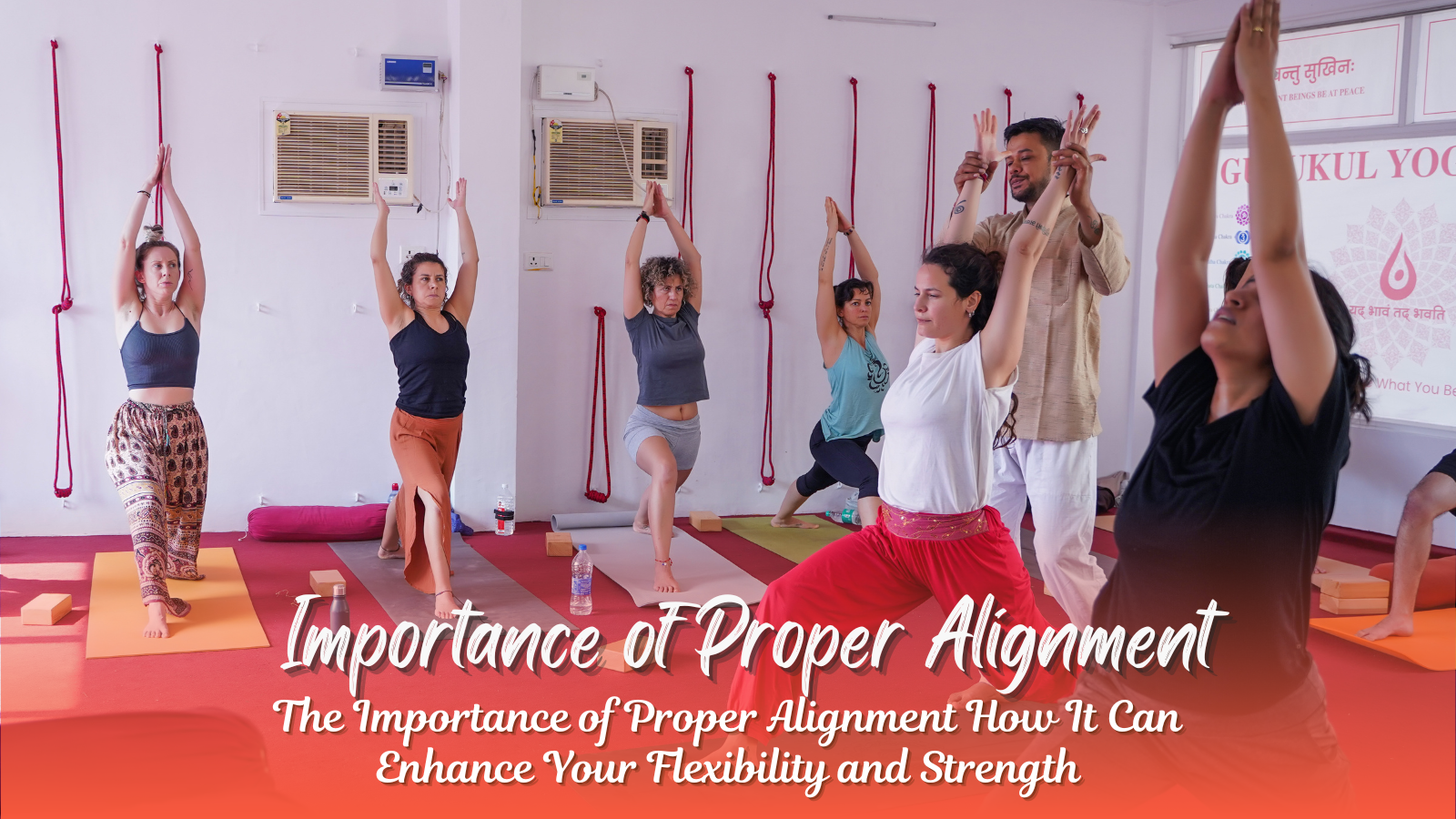
Importance of Proper Alignment in Yoga

5 Importance of Proper Alignment in Yoga: Enhancing Strength and Flexibility

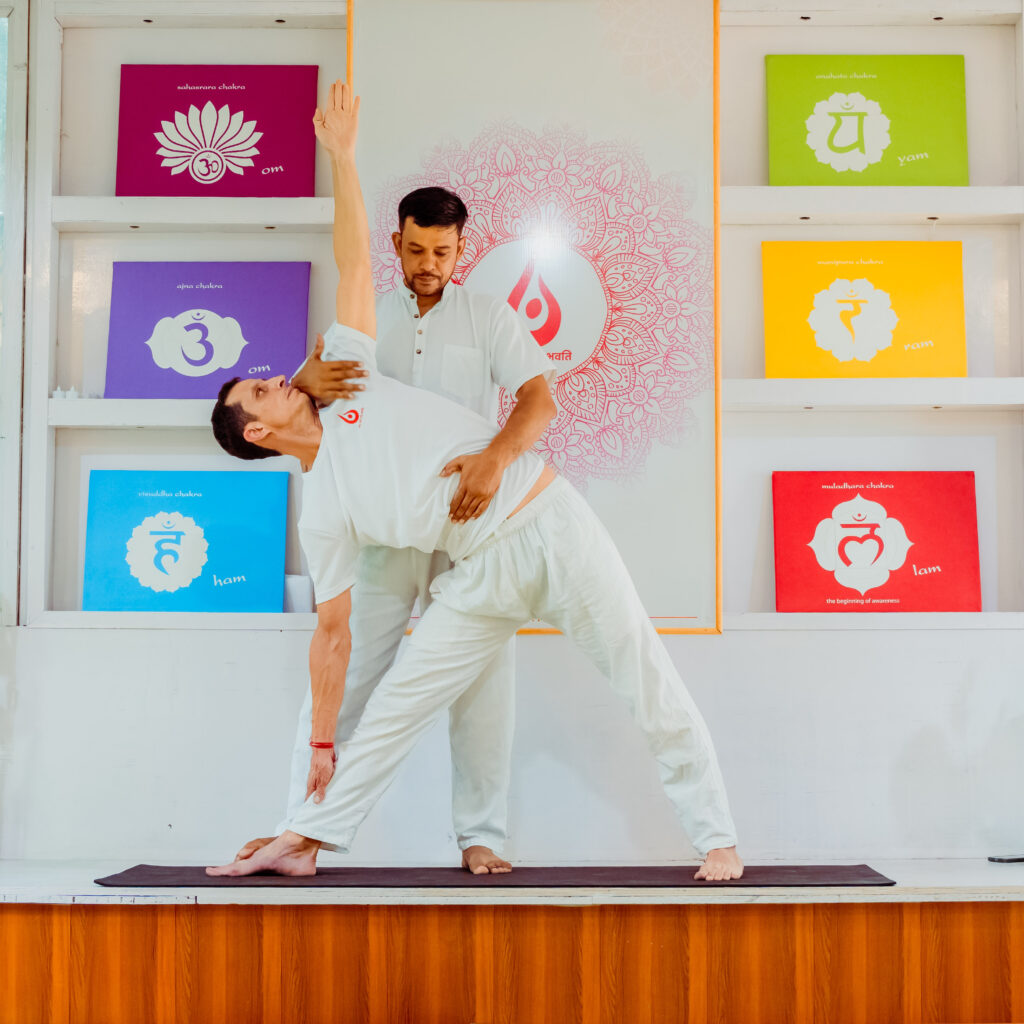
The term “alignment” is fundamental in yoga, often sparking discussion and debate. So, what does it truly mean? Yoga alignment refers to how different body parts are positioned in a yoga pose, often involving straight lines and the stacking of bones. However, it’s not about rigid adherence to a fixed structure. As taught at Gurukul Yogashala, a leading yoga school in Rishikesh, alignment is about understanding core principles, adapting poses to individual needs, and utilizing props for support. A 200 hour yoga teacher training course in Rishikesh delves into these nuances, emphasizing safe and effective practice.

The ultimate goal is to perform asanas comfortably and minimize the risk of injury. It’s also important to remember that bodies differ, and the same pose may look different on different individuals. Let’s explore the various facets of structure.

Types of Alignment

There are two primary types of alignment: functional and aesthetic. Understanding both is essential for enhancing personal practice and teaching yoga effectively.

  • Functional Alignment: This focuses on the biomechanical aspects of the body—how its parts are structured and how they move. It involves positioning the body within its natural range of motion, prioritizing safety and optimizing performance. For example, in standing poses, functional arrangement emphasizes keeping the head, neck and spine in a straight line, which improves stability and mobility. Because bone structure and muscle development vary between individuals, certain poses may come more easily to some than others. A comprehensive 200 hour yoga teacher training in India, like the one offered in Rishikesh, covers these functional aspects in detail, equipping you with the knowledge to guide students effectively.
  • Aesthetic Alignment: This refers to the visual appearance of a pose, emphasizing straight lines and ideal angles. While aesthetically pleasing, it’s crucial to prioritize functionality. Not everyone’s body will naturally achieve the “perfect” aesthetic structure. If strictly adhering to aesthetic guidelines compromises functional arrangement, it’s essential to modify the pose.

The question then becomes: which is more important – functionality or aesthetics? Functionality should always take precedence to ensure safety and prevent injury.

Why is Proper Body pasture Important in Yoga?

Proper alignment is crucial in yoga for several reasons:

  • Safety and Injury Prevention: Using proper functional structure creates a safe practice environment. By developing body awareness, you can understand how your body feels in different positions and avoid pushing yourself beyond your limits. Using props when necessary is also essential for safety. Yoga teacher training in Rishikesh provides comprehensive instruction on these principles.
  • Stronger Foundation: Proper pasture builds a strong foundation for your practice. A solid foundation allows you to progress to more challenging variations and modifications with ease. This involves developing strength and flexibility in the right areas. Correct arrangement helps target the appropriate muscles and connective tissues, facilitating progress. Props can bridge gaps between different body parts, gradually increasing flexibility. By focusing on proper alignment and modifying poses instead of forcing them, you can maximize their benefits.
  • Enhanced Strength and Flexibility: Yoga is a movement-based practice accessible to everyone. Proper arrangement maximizes the benefits of each pose, including strength building. Many poses, particularly arm balances, require lifting your own body weight. Incorrect structure in these poses can lead to injury. So, why is proper body alignment important? Because it unlocks the full potential of each asana.
  • Increased Efficiency and Energy Flow: Anatomically correct arrangement facilitates the free flow of energy (prana) throughout the body. This allows you to achieve more with less effort. Correct alignment can make challenging poses more accessible and lead to faster progress.

These points directly address the question: “how does proper body alignment benefit the human body?

Importance of Proper Alignment in Yoga - Best Yoga Teacher Training School in Rishikesh | Gurukul Yogashala

Key Alignment Cues to Remember

Here are some essential alignment cues to keep in mind:

  • Joint Stacking: Align joints vertically and horizontally, one on top of the other. Avoid letting any joint jut out of alignment.
  • Neutral Spine: Maintaining a neutral spine is particularly important in forward folds. Incorrect spinal alignment in these poses can lead to back pain.
  • Hip Hinging in Forward Folds: Initiate forward folds from the hips, not the lower back. This prevents rounding of the back and maximizes the stretch in the hamstrings.
  • Heel-Over-Toe Alignment: In poses like plank and lunges, ensure your heels are directly over your toes for proper weight distribution.

These are just a few examples. A comprehensive yoga teacher training, such as a 300 Hour Yoga Teacher Training in Rishikesh or a 500 Hour Yoga Teacher Training in Rishikesh, will offer more detailed instruction.

The Primary Focus of Proper Alignment

The primary focus of proper alignment in physical activity, and especially in yoga, is to ensure safety, maximize effectiveness, and promote long-term health and wellbeing. It’s about working with the body’s natural structure and movement patterns, not against them.

Benefits of Yoga Poster (Relating to Alignment)

A “benefits of yoga poster” often visually represents the positive effects of yoga, including improved posture, increased flexibility, and enhanced strength. These benefits are directly linked to proper alignment. The poster can serve as a visual reminder of the importance of correct form.

Conclusion

Make proper alignment a consistent habit in your yoga practice. Keep these cues in mind each time you practice. Joining a reputable yoga school in Rishikesh, like Gurukul Yogashala, will provide a wealth of knowledge and practical experience. Their experiential approach to teaching alignment can significantly enhance your practice and your ability to guide others. A 300 hour yoga teacher training course in Rishikesh at Gurukul Yogashala offers a transformative experience for anyone seeking a deeper understanding of yoga and its many benefits.

Benefits of Pranayama

5 Powerful Benefits of Pranayama Breathing | Yoga Teacher Training Rishikesh

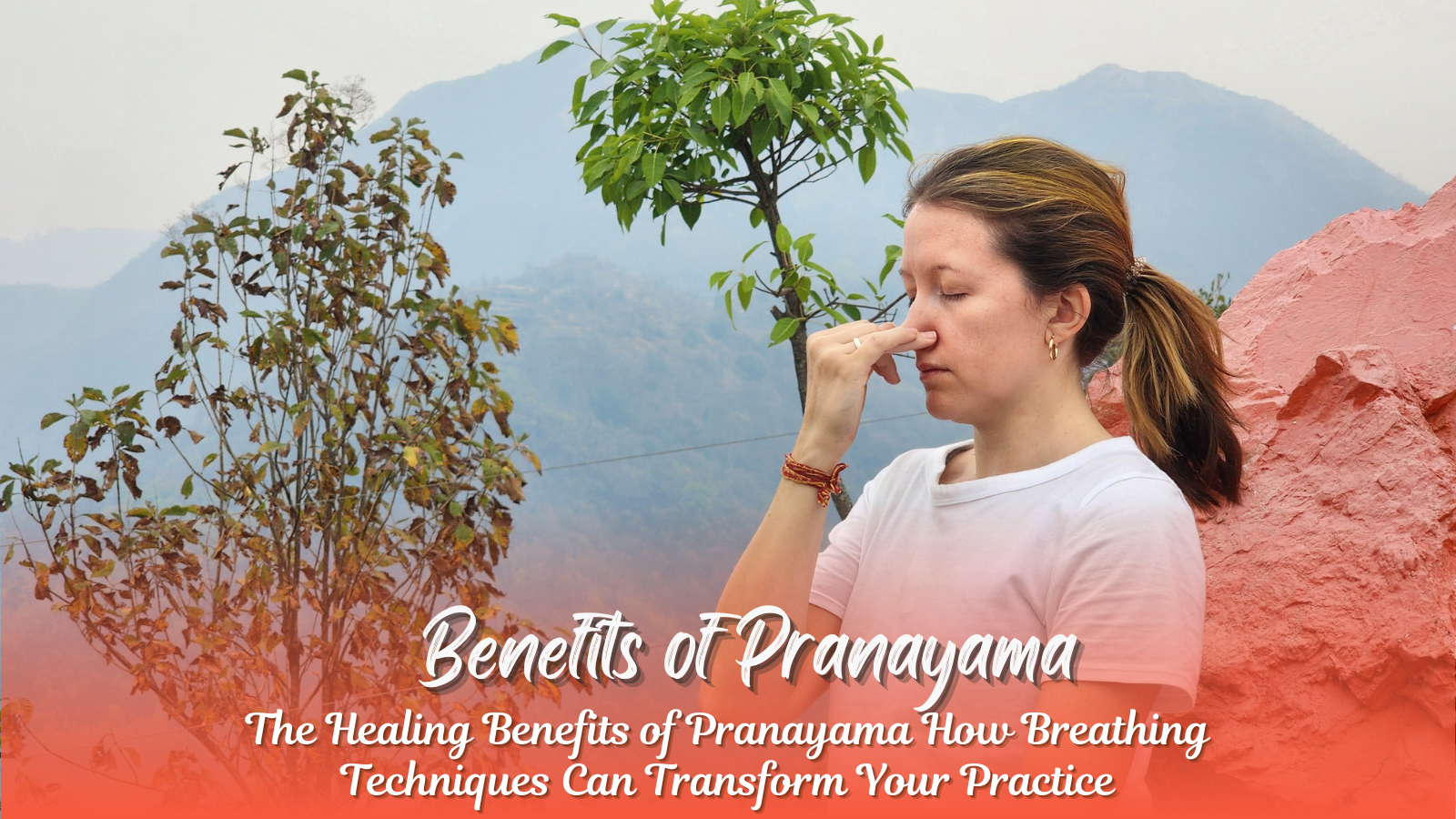
Benefits of Pranayama Breathing Practices are experienced yogis often emphasize Pranayama as a cornerstone of yoga practice. Even without practicing physical postures (asanas), dedicated breathwork can offer substantial health benefits. Joining a reputable yoga teacher training in Rishikesh can significantly enhance your understanding and practice of Pranayama.

Pranayama, an ancient breath control technique, involves various breathing styles and phases, including inhalation (Puraka), exhalation (Rechaka), retention after inhalation (Antara Kumbhaka) and retention after exhalation (Bahya Kumbhaka). These practices have gained significant traction recently, particularly due to their demonstrated benefits during times of stress and respiratory challenges. Let’s delve deeper into the world of Pranayama and benefits of Pranayama.

Benefits of Pranayama: The Fourth Limb of Yoga

As outlined in Patanjali’s Yoga Sutras, Pranayama is the fourth limb of yoga. It posits that controlling the breath allows us to control the mind. The term “Pranayama” is derived from “Prana” (life force or breath) and “Ayama” (extension or control), thus translating to the “extension or control of breath.” This practice regulates the flow of energy (Prana) through the body’s energy channels (Nadis). As Prana flows through the chakras (energy centers), it revitalizes the entire being. You can explore the intricacies of Pranayama during a 200 hour yoga teacher training course in Rishikesh at Gurukul Yogashala.

Pranayama techniques are often categorized by their effects: heating, cooling and balancing. Each category encompasses various specific practices. Regardless of the specific benefits of Pranayama technique, the core phases of Puraka, Kumbhaka and Rechaka are typically involved.

Benefits of Pranayama Breathing Practices

Benefits of Pranayama plays a vital role in a holistic yoga practice. Integrating breathwork offers numerous benefits:

  • Improved Lung Capacity: Conscious breathing maximizes air intake and expulsion, enhancing lung function and oxygen intake.
  • Mental Clarity and Stress Reduction: Focusing on the breath calms the mind, reducing anxiety and stress.
  • Balanced Nervous System: Certain Pranayama techniques can balance the autonomic nervous system, regulating physiological processes like digestion, respiration and elimination.
  • Enhanced Wellbeing: Combining breathwork with asanas enhances both physical and mental wellbeing.
  • Improved Digestion: Abdominal breathing, in particular, can aid digestion.

Learning these techniques under the guidance of experienced instructors at a reputable yoga school in Rishikesh, such as Gurukul Yogashala, allows you to experience these Benefits of Pranayama fully and learn to share them with others.

Key Pranayama Techniques

Here are some fundamental Pranayama techniques taught as part of yoga teacher training certifications:

  • Bhastrika Pranayama (Bellows Breath): A heating practice that involves rapid, forceful inhalations and exhalations, stimulating energy and balancing Kapha and Vata doshas. To practice:
    • Sit comfortably.
    • Make fists and place them near your shoulders.
    • Inhale deeply, raising your arms overhead and opening your fists.
    • Exhale forcefully, bringing your arms down and closing your fists.
    • Repeat 20 times, then relax with normal breathing.
  • Kapalbhati Pranayama (Skull Shining Breath): This cleansing breath activates the parasympathetic nervous system with rapid, forceful exhalations and passive inhalations. The focus is on the active exhalation using the abdominal muscles. To practice:
    • Sit comfortably.
    • Inhale deeply.
    • Forcefully exhale by contracting your abdominal muscles, pulling your navel towards your spine.
    • Inhalation happens passively as you release the abdominal contraction.
    • Repeat for several rounds.
  • Bhramari Pranayama (Bee Breath): This calming breath involves inhaling through the nose and exhaling with a gentle humming sound, creating vibrations that soothe the mind. It can be practiced with or without Shanmukhi Mudra (closing the ears, eyes, and mouth). To practice:
    • Sit comfortably.
    • Close your ears with your thumbs, gently close your eyes, and lightly touch your lips.
    • Inhale deeply through your nose.
    • Exhale slowly, making a humming sound like a bee.
  • Nadi Shodhana Pranayama (Alternate Nostril Breathing): This balancing breath involves alternating inhalation and exhalation between the left and right nostrils, often with breath retention. There are several variations, including Anulom Vilom. Nadi Shodhana benefits of Pranayama include:
    • Improved oxygen supply.
    • Stress reduction.
    • Detoxification.
    • Enhanced mental clarity.

To practice Nadi Shodhana Pranayama steps:

  • Sit comfortably.
  • Use your right hand to form Vishnu Mudra (fold your index and middle fingers towards your palm).
  • Close your right nostril with your thumb and inhale through your left nostril.
  • Close your left nostril with your ring finger and release your thumb from your right nostril, exhaling through the right.  
  • Inhale through your right nostril.
  • Close your right nostril with your thumb and release your ring finger from your left nostril, exhaling through the left.
  • This completes one round. Continue for several rounds.

Understanding the meaning of Nadi Shodhana Pranayama—”Nadi” meaning channel and “Shodhana” meaning purification—highlights its purpose of cleansing the energy channels.

Integrating Pranayama into Your Practice

Pranayama can be incorporated into your yoga routine after asana practice or practiced independently. It purifies the body’s energy channels (Nadis). In Hatha Yoga, asanas prepare the body to receive and circulate Prana, while benefits of Pranayama directs this energy through the Nadis. Mudras can then be used to further refine the energetic effects. These intricacies are explored in detail during a 300 Hour Yoga Teacher Training in Rishikesh and 500 Hour Yoga Teacher Training in Rishikesh.

Final Thoughts

Benefits of Pranayama can significantly deepen your yoga practice, adding a powerful dimension of mental and spiritual healing. Joining a reputable yoga school in Rishikesh, such as Gurukul Yogashala, will provide the expertise and guidance necessary to practice Pranayama effectively and learn how to share its benefits with others. A 200 hour yoga teacher training course in Rishikesh can be a transformative experience for your personal health and wellbeing.

Practice Yoga Supports Mental Wellbeing

Practice Yoga: 5 Benefits, Tips & How to Start

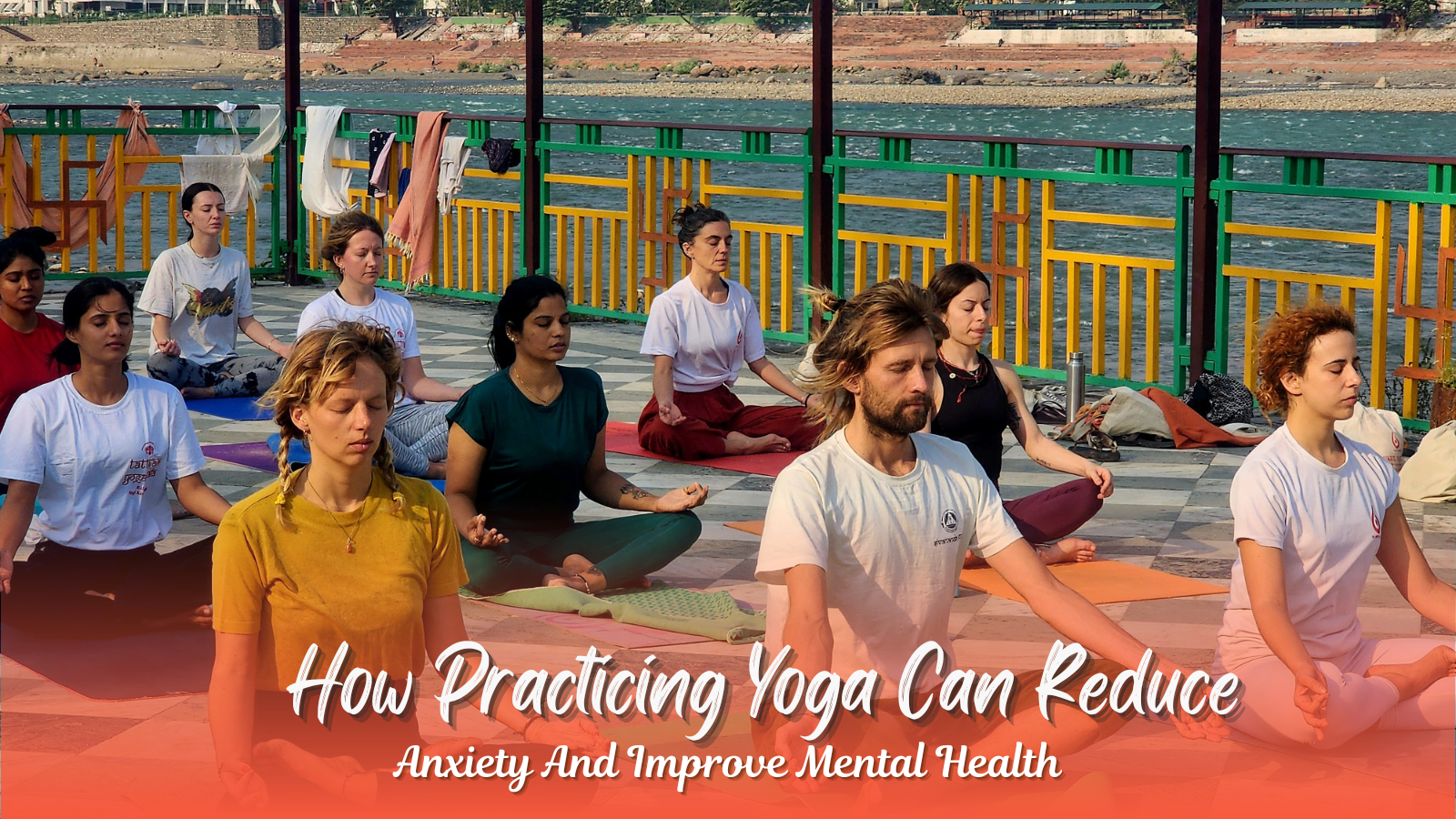
In recent years, yoga has become a prominent practice for supporting mental wellbeing. Even practitioners of Western medicine acknowledge the benefits of yoga therapy. Anxiety, a common experience rooted in fear and worry, can significantly impact our lives. Fortunately, yoga offers powerful tools for managing anxiety and fostering inner peace. This ancient practice, now more accessible than ever, can be explored at traditional yoga schools in India, particularly in Rishikesh, the world capital of yoga. At a Yoga School in India like Gurukul Yogashala, you can learn how to practice yoga to alleviate anxiety and improve your overall mental health. Let’s explore how.

Anxiety Disorders and Their Impact

Anxiety is a natural response to stress, but when it becomes overwhelming and persistent, it can develop into an anxiety disorder. While some anxiety can be adaptive, helping us prepare for challenges, chronic anxiety can be debilitating. Approximately 30% of adults experience an anxiety disorder at some point in their lives. Yoga therapy, a form of mind-body practice, can be a valuable tool in managing these conditions. Understanding different types of anxiety disorders can help us recognize symptoms and suggest appropriate practices.

Here are a few common anxiety disorders:

  • Generalized Anxiety Disorder (GAD): Characterized by excessive worry and tension, often accompanied by restlessness, fatigue, and difficulty concentrating. Worries typically center around everyday concerns like family, work, or health.
  • Panic Disorder: Involves recurrent panic attacks, sudden episodes of intense fear accompanied by physical symptoms such as sweating, shortness of breath, dizziness, nausea, chest pain, and a feeling of losing control.
  • Phobias: Intense, irrational fears of specific objects or situations (e.g., heights, spiders, enclosed spaces). Phobias can lead to avoidance behaviors that significantly disrupt daily life.

These disorders can stem from various factors, including psychological, genetic, environmental, and developmental influences. Yoga therapy, often used in conjunction with psychotherapy, offers a holistic approach to managing anxiety.

Practice Yoga Supports Mental Wellbeing

How Practice Yoga Supports Mental Wellbeing

Yoga, as a mind-body practice yoga, connects our thoughts, emotions, and physical sensations. This connection is key to addressing anxiety. Through physical postures (asanas), breathing techniques (pranayama), and meditation, yoga helps us:

  • Regulate the Nervous System: Yoga practices can shift the nervous system from a state of “fight-or-flight” (sympathetic dominance) to a state of “rest-and-digest” (parasympathetic dominance), promoting relaxation and reducing anxiety.
  • Increase Body Awareness: Yoga cultivates present moment awareness, helping us notice physical sensations and emotional states without judgment. This increased awareness can help us recognize and manage anxiety symptoms more effectively.
  • Develop Coping Mechanisms: By practicing yoga, we develop tools for managing stress and anxiety, such as deep breathing, mindfulness, and self-soothing techniques.

If you’re wondering how long should you practice yoga before teacher training, it’s beneficial to establish a consistent personal practice first. This will give you a deeper understanding of the practice before you undertake formal training at a Yoga School in India.

Yoga Poses for Anxiety Relief

Several yoga poses are particularly helpful for managing anxiety:

  • Camel Pose (Ustrasana): This backbend stretches the front of the body, strengthens the back and spine, and opens the chest, facilitating deeper breathing and releasing emotional blockages.
  • Bow Pose (Dhanurasana): This pose strengthens the back and core, opens the chest and can help release nervous energy. It’s important to learn proper alignment to avoid injury, which you can do at a 200 hour yoga teacher training course in Rishikesh.
  • Child’s Pose (Balasana): A restorative pose that promotes a sense of grounding and calm, releasing tension in the spine and calming the nervous system.
  • Corpse Pose (Savasana): A deeply relaxing pose practiced at the end of a yoga session. Savasana encourages complete relaxation and can be a powerful meditative practice.

These poses, and many others, are taught in detail at schools offering Best Yoga Teacher Training in Rishikesh.

Pranayama (Breathing Techniques) for Mental Health

Pranayama, the practice of breath control, is a fundamental aspect of practice yoga that can significantly impact mental wellbeing.

  • Yogic Breathing (Dirga Pranayama): Also known as three-part breath, this technique involves consciously filling the abdomen, rib cage, and chest with breath, promoting full lung capacity and calming the nervous system.
  • Bee’s Breath (Bhramari Pranayama): This technique involves making a gentle humming sound on the exhale, which can calm the mind and reduce anxiety.
  • Alternate Nostril Breathing (Nadi Shodhana Pranayama): This practice balances the energy flow in the body and calms the mind, reducing stress and promoting mental clarity.

These pranayama techniques are taught in detail during a 300 Hour Yoga Teacher Training in Rishikesh and 500 Hour Yoga Teacher Training in Rishikesh.

Integrating Yoga into Your Life

If you’re interested in learning how to practice yoga and deepening your understanding of its therapeutic benefits, consider the following:

  • Find a Qualified Teacher or Practice Yoga Studio: Look for a certified yoga instructor who has experience working with students with anxiety.
  • Start Slowly and Gradually Increase Your Practice: Begin with shorter sessions and gradually increase the duration and intensity as you become more comfortable.
  • Be Consistent: Regular practice is key to experiencing the full benefits of yoga. How often should you practice yoga? Aim for at least a few times a week.
  • Explore Different Styles: Different styles of yoga, such as Yin practice yoga or Ashtanga Yoga Teacher Training in Rishikesh (including 200 Hour Ashtanga Yoga Teacher Training in Rishikesh), may be more suitable for managing anxiety.
  • Consider Yoga Teacher Training: If you wish to deepen your practice and potentially share it with others, consider enrolling in a 300 hour yoga teacher training course in Rishikesh or similar programs. This training will give you a comprehensive understanding of how to practice yoga safely and effectively. It will also answer questions like how long should you practice yoga before teacher training.

Is Yoga a Spiritual Practice?

While yoga has roots in spiritual traditions, it can be practiced with or without a spiritual focus. The physical postures and breathing techniques offer tangible benefits for physical and mental health, regardless of one’s spiritual beliefs. Some people find that their yoga practice deepens their connection to themselves and the world around them, while others focus primarily on the physical and mental health benefits.

Final Thoughts

Yoga offers a powerful and holistic approach to managing anxiety and promoting mental wellbeing. Whether you are looking to begin your personal practice or seeking a more in-depth experience through programs like a 200-hour yoga teacher training course in Rishikesh, Gurukul Yogashala and other reputable Yoga Schools in India offer a supportive environment to explore the transformative potential of yoga.

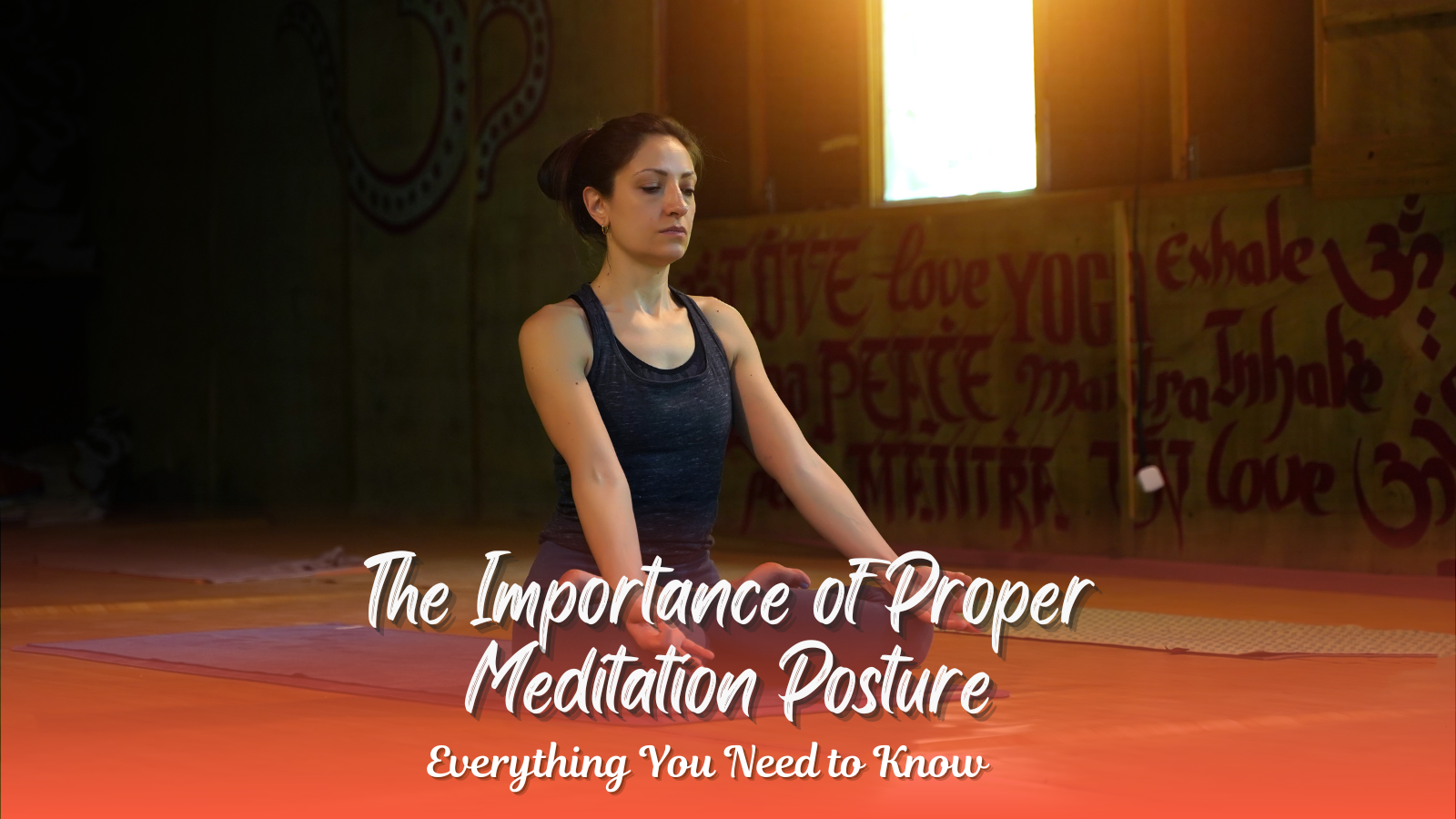
The Importance Of Proper Meditation Posture

The Importance Of Proper Meditation Posture – Everything You Need To Know

Many people practice meditation, yet often wonder if their posture is correct. A quick scroll through social media reveals many incorrect practices. Just like in asana, posture in meditation is crucial. Incorrect posture can hinder your progress or even lead to discomfort. If you’re seeking to refine your meditation practice, consider a yoga teacher training school in Rishikesh. Gurukul Yogashala, a leading traditional yoga school in India, offers in-depth knowledge on this essential aspect of meditation. This article will also provide valuable insights into achieving the proper meditation posture.

The Importance Of Proper Meditation Posture

While various meditation techniques exist, the number of effective meditation postures is relatively limited. Maintaining an erect spine is paramount for alertness during meditation. Regular practitioners can explore different postures to find what resonates best. Props such as cushions, bolsters, and yoga bricks can aid in achieving optimal positioning. These nuances are explored in detail in a 200 hour yoga teacher training course in Rishikesh, where experienced teachers, who have dedicated years to perfecting their own practice, provide expert guidance.

Proper posture is essential for minimizing distractions and accessing deeper states of consciousness. Meditation heavily relies on breath control, and correct posture facilitates deeper, more focused breathing. While sitting is the most common meditation posture, kneeling, lying down, and standing positions are also practiced. Let’s explore four key meditation postures:

1. Sitting Posture for Meditation

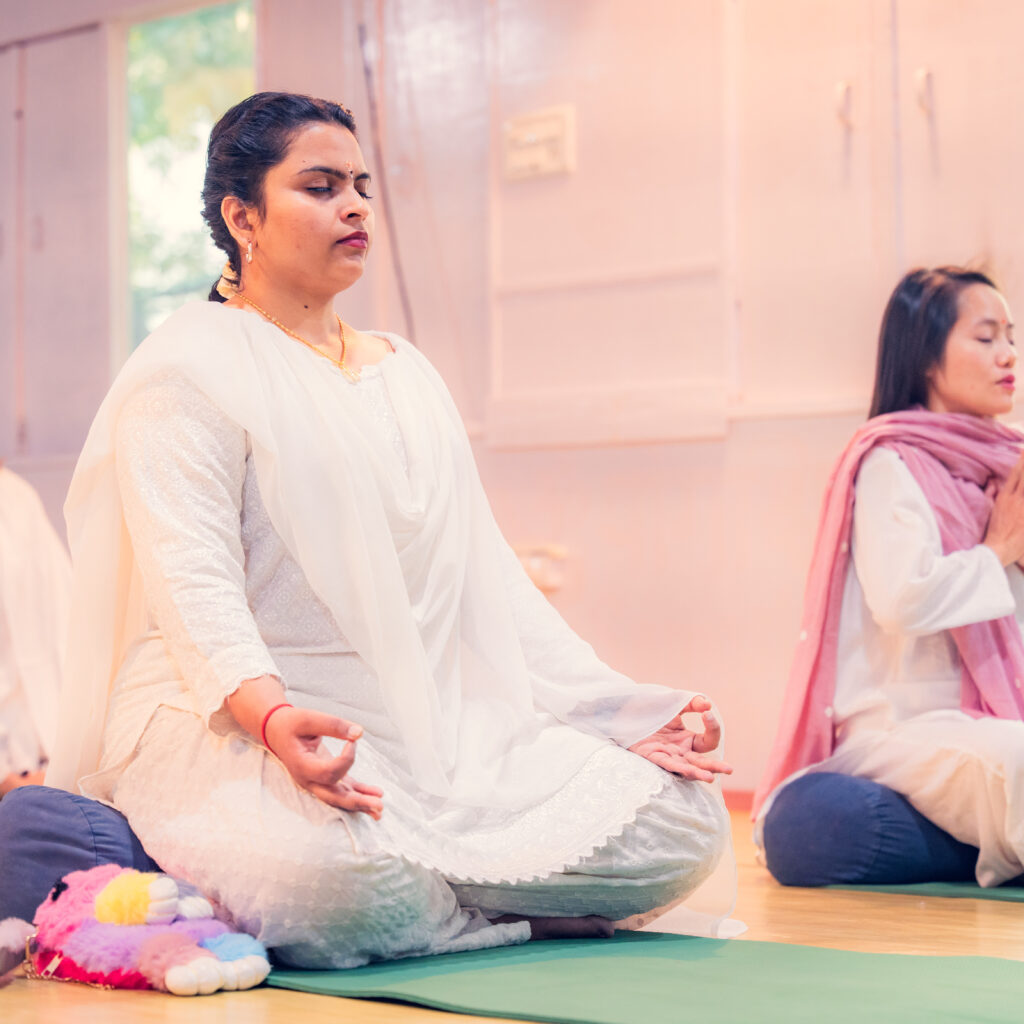
The sitting posture is the most prevalent. When sitting cross-legged, use a blanket or cushion to elevate the hips slightly above the knees, promoting an erect spine. Sitting on a chair with feet flat on the floor is also a viable option. When seated, adhere to this seven-point meditation posture checklist:

  • Comfortable Seating: Find a comfortable seated position, whether on a mat with crossed legs (Burmese meditation posture or similar) or on a chair.
  • Erect Spine: Maintain a naturally straight spine, avoiding slouching or excessive arching. This is key for proper meditation posture.
  • Hand Placement: Rest your hands gently on your lap, knees, or by your sides, optionally incorporating a mudra. Keep them still throughout the practice.
  • Relaxed Shoulders: Ensure your shoulders are relaxed, not hunched or overly extended.
  • Tucked Chin: Gently tuck your chin towards your chest at approximately a 20-degree angle, keeping your head straight to maintain a relaxed neck.
  • Relaxed Jaw: Relax your jaw muscles by gently moving your jaw side to side and up and down.
  • Soft Gaze: Either close your eyelids or maintain a soft, unfocused gaze on a point in front of you. This is the correct buddhist meditation posture whether the eyes are open or closed.
The Importance Of Proper Meditation Posture

2. Kneeling Posture

Kneeling is another beneficial meditation posture, particularly for floor meditation. Use pillows or a folded blanket under your knees for support and to prevent discomfort. This support helps maintain spinal alignment. Relax your hands or rest them on your knees. This posture can be helpful for those who struggle to maintain an erect spine in a cross-legged position. Keep the neck and head relaxed with the chin slightly tucked. This is a common meditation posture for beginners.

3. Lying Down Position

Some prefer meditating while lying down, especially at night. Comfort is essential. Prop your head slightly with a pillow or place a cushion under your knees. Gently elongate your spine and stretch your legs. Rest your hands on your chest, stomach, or sides, whichever feels most natural. Focus on your breath for optimal results.

4. Standing Position

Standing meditation can strengthen the body and is suitable for those who find sitting uncomfortable. Plant your feet firmly on the ground, visualizing a connection to the earth. Relax your limbs by gently shaking them. Ensure there’s no tension in your body. You can close or keep your eyes open. If you notice any tension, consciously relax.

Using Props in Meditation

Experienced teachers at a yoga teacher training school in Rishikesh like Gurukul Yogashala can guide you on the appropriate use of props. Props enhance comfort, promote focus, and support proper meditation posture. Cushions, blankets, and mats reduce discomfort during extended sitting. Eye bands block out excess light. Japa malas and singing bowls can enhance the meditative environment. Candles and incense can further enhance the spiritual atmosphere, as taught in comprehensive yoga teacher training courses in Rishikesh.

These accessories engage your senses and anchor you to the present moment. Mats and blankets provide a soft surface, preventing back or knee pain during prolonged sitting. Gurukul Yogashala’s experts offer personalized guidance on prop selection. A professional yoga teacher training course in Rishikesh is invaluable for those seeking a deeper understanding of this holistic practice.

Challenges Faced by Meditators

Even with comfortable clothing and a conducive environment, challenges can arise during meditation. Teachers in programs like a 300 Hour Yoga Teacher Training in Rishikesh or a 500 Hour Yoga Teacher Training in Rishikesh, can offer solutions and guidance on prop use and other techniques. Finding the right meditation posture is crucial for maximizing benefits.

Common challenges and solutions include:

  • Difficulty Focusing: Teachers may guide you in breath counting to improve focus.
  • Head Nodding (Drowsiness): Consciously engage your core and maintain an erect spine.
  • Difficulty Visualizing: Teachers can guide you through visualization exercises.
  • Difficulty Relaxing: Soft music can aid in relaxation.
  • Slumping: Use folded blankets or cushions under your hips or knees for support.

These challenges are often addressed in structured programs like a 200 Hour Ashtanga Yoga Teacher Training in Rishikesh or other Ashtanga Yoga Teacher Training in Rishikesh programs.

Benefits of Correct Meditation Posture

  • Protects your back from injury during extended sitting.
  • Reduces stress (incorrect posture can increase it).
  • Improves focus and concentration.
  • Promotes a sense of groundedness.

A retreat or training course, especially at a reputable Yoga School in India like Gurukul Yogashala, provides comprehensive knowledge of proper meditation postures.

Conclusion

Enroll in a 200 hour yoga teacher training course in Rishikesh at Gurukul Yogashala to deepen your understanding of this transformative practice. You’ll receive expert guidance and address physical, mental, and emotional challenges. Gurukul Yogashala provides a rich learning environment for students of all levels, offering the best Yoga Teacher Training in Rishikesh. Whether you’re interested in a 200 Hour, 300 Hour, or 500 Hour program, or even specialized Ashtanga training, Gurukul Yogashala is a great choice.

Mastering Yoga Arm Balances

Mastering Yoga Arm Balances: A Complete Guide for Beginners & Advanced Practitioners

Yoga arm balance poses are some of the most visually impressive yet technically challenging poses in yoga practice. They require a combination of strength, flexibility, balance and mental focus. Many beginners struggle with these poses due to a lack of proper technique and preparation.

If you’re wondering how Yoga arm balance poses do, this guide will walk you through everything you need to know—from wrist preparation to alignment techniques. Whether you’re a beginner or an advanced practitioner, joining a yoga teacher training school in Rishikesh can provide you with expert guidance on perfecting Yoga arm balance poses safely.


What Are Yoga Arm Balances?

Yoga arm balance poses involve supporting your body weight primarily on your hands while engaging your core and upper body muscles. These poses help improve strength, flexibility, and focus.

Benefits of Yoga Arm Balances

  • Enhances Core Strength: Engages the abdominal muscles for better stability.
  • Improves Upper Body Strength: Strengthens arms, shoulders, and wrists.
  • Increases Focus & Mental Clarity: Requires concentration to maintain balance.
  • Boosts Flexibility: Stretches and strengthens various muscle groups.
  • Develops Confidence & Mindfulness: Teaches patience, persistence, and body awareness.

Popular Yoga Arm Balance Poses

Here’s a Yoga arm balance poses list of some commonly practiced postures:

  • Bakasana (Crow Pose) – A beginner-friendly pose that builds wrist and shoulder strength.
  • Kakasana (Crane Pose) – A variation of Bakasana with straighter arms.
  • Eka Hasta Bhujasana (One-Legged Arm Balance) – Strengthens the core and shoulders.
  • Vrschikasana (Scorpion Pose) – A challenging pose that requires both flexibility and strength.
  • Parsva Bakasana (Side Crow Pose) – Works on arm strength and twisting flexibility.

If you’re struggling with these poses, consider enrolling in a 200-hour yoga teacher training course in Rishikesh, where experienced instructors will guide you step-by-step.

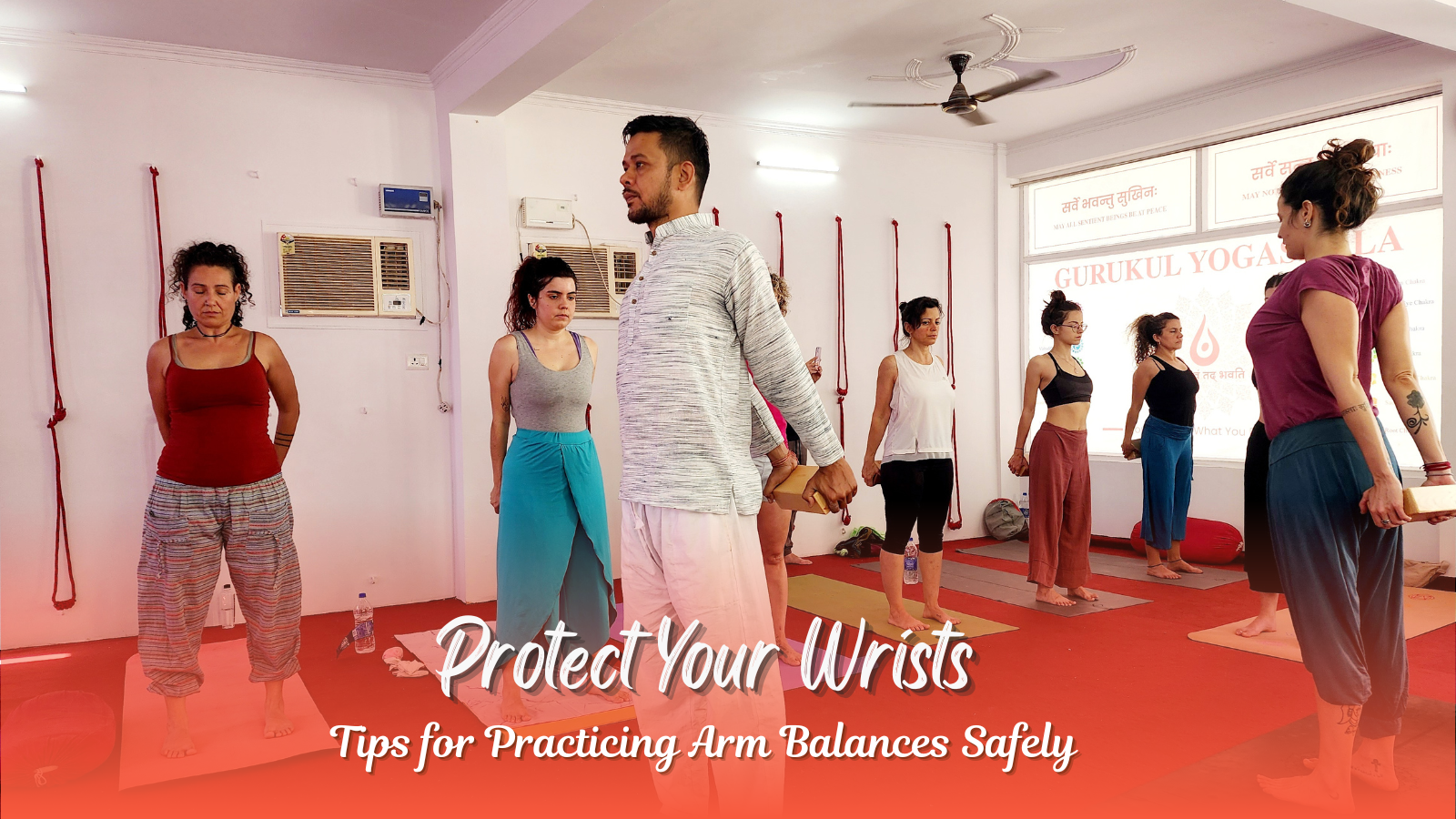
Yoga arm balance poses | Best Yoga Teacher Training School in Rishikesh | Gurukul Yogashala

Why Wrist Health is Important for Arm Balances

Your wrists act as the foundation in arm balance poses, supporting your body weight. If they aren’t strong enough, you risk injury.

Key Factors for Wrist Health:

  1. Warm-up exercises – Prepares wrists for the pressure of arm balances.
  2. Strength training – Builds endurance and flexibility in wrists.
  3. Correct alignment – Ensures even weight distribution to prevent strain.
  4. Therapeutic exercises – Helps recover from any strain or pain.

At Gurukul Yogashala, a leading yoga teacher training school in Rishikesh, students learn wrist anatomy and strengthening techniques to prevent injuries.


Wrist Anatomy: Understanding the Basics

The wrist consists of eight carpal bones, ligaments, and a complex system of tendons and nerves forming the carpal tunnel. These elements provide mobility and strength, allowing the wrists to support weight in various arm balances.

  • Keeping joints active and mobile prevents stiffness.
  • Engaging in wrist exercises ensures better stability.
  • Understanding alignment and pressure points helps in preventing injuries.

In Hatha Yoga, joint health plays a crucial role in mastering complex poses. Students in the best yoga teacher training in Rishikesh learn in-depth about wrist mechanics through practical lessons.


How to Prepare Your Wrists for Arm Balances?

Before attempting yoga arm balance poses, practicing wrist warm-ups can significantly reduce the risk of injury.

Effective Warm-Up Exercises:

  • Wrist Rotations:
    • Extend arms forward and rotate wrists in both directions.
  • Anjali Mudra (Prayer Pose):
    • Press palms together at chest level and lower hands gradually.
  • Hand Lifts:
    • Place hands on a table edge and lift them while keeping fingers relaxed.

These warm-ups help improve wrist mobility, making yoga arm balance poses for beginners easier to achieve.


Proper Alignment in Yoga Arm Balances

Alignment is crucial when practicing yoga arm balance postures. Incorrect form can lead to strain or injury.

Step-by-Step Guide for Bakasana (Crow Pose)

  1. Start in Malasana (Garland Pose):
    • Feet flat on the ground, knees wide apart.
  2. Place Hands on the Ground:
    • Keep hands shoulder-width apart with fingers spread.
  3. Engage Core & Lift Hips:
    • Rising on your toes, shift your weight forward.
  4. Hook Knees onto Upper Arms:
    • Keep your gaze forward to maintain balance.
  5. Hold the Pose:
    • Breathe deeply and balance for 5-10 breaths.
  6. Release Gently:
    • Lower one leg at a time to return to Malasana.

This pose is a fundamental yoga arm balance pose that builds strength for more advanced postures. In the 300-hour yoga teacher training in Rishikesh, students refine these poses with expert guidance.


Techniques for Improving Arm Balances

To master arm balances, follow these expert techniques:

  • Improve Wrist Flexibility: Stretch and strengthen wrists daily.
  • Distribute Weight Evenly: Avoid placing all weight on one point.
  • Build Scapular Strength: Strengthen shoulder muscles to support balance.
  • Engage the Core: A strong core prevents wobbling.
  • Practice Mindfulness: Focus on breath and body awareness.

At Gurukul Yogashala, students in 500-hour yoga teacher training in Rishikesh learn advanced alignment techniques for perfecting arm balances.


Conclusion

Mastering yoga arm balance poses requires patience, strength, and proper training. While self-practice is beneficial, professional guidance at a yoga teacher training school in Rishikesh ensures a safe and effective learning experience.

At Gurukul Yogashala, a Yoga Alliance-registered school, students gain in-depth knowledge of alignment, adjustments, and modifications to perfect arm balances and other advanced asanas.

If you’re looking for the best yoga teacher training in Rishikesh, consider enrolling in:

200-Hour Yoga Teacher Training – Perfect for beginners.
300-Hour Yoga Teacher Training – Ideal for intermediate learners.
500-Hour Yoga Teacher Training – For advanced practitioners.

Enhance your yoga journey and master arm balances with expert teachers in Rishikesh – the Yoga Capital of the World!


Best Yoga Teacher Training in Rishikesh, India

Best Yoga Teacher Training in Rishikesh: Learn, Teach & Transform

Best Yoga Teacher Training in Rishikesh, India

Yoga is more than just a physical practice—it’s a way to connect the mind, body, and soul. If you’re looking to deepen your practice and become a yoga teacher in India, Rishikesh is the ultimate destination. Known as the “Yoga Capital of the World,” it offers an authentic and immersive learning experience.

By enrolling in a best yoga teacher training in Rishikesh, you’ll receive expert guidance from experienced instructors and explore the philosophy, anatomy, and techniques of yoga. Whether you’re a beginner or an experienced practitioner, a yoga teacher training course in India will help you build a strong foundation.


Why Choose Yoga Teacher Training in Rishikesh?

Rishikesh is a spiritual hub with a serene atmosphere, perfect for those who want to learn to teach yoga in India. Here’s why Rishikesh is the best place for yoga training:

  • Authentic Learning Experience – Rooted in ancient traditions, Rishikesh offers a pure and traditional approach to yoga.
  • Certified Yoga Instructors – Learn from experienced yoga instructor training in India programs led by highly qualified teachers.
  • Diverse Training Programs – Choose from 200-hour, 300-hour, and 500-hour yoga teacher training in Rishikesh to suit your level.
  • Scenic & Serene Environment – Practice yoga amidst the Himalayan mountains and the sacred Ganges River.
  • Spiritual Growth & Self-Discovery – Enhance your personal and professional growth through deep spiritual practices.
Best Yoga Teacher Training in Rishikesh, India | Performing Anulom-Vilom at Gurukul Yogashala

Traditional Yoga Training with Expert Guidance

When you enroll in a best yoga teacher training in Rishikesh, you gain access to traditional teachings combined with modern insights. Here’s what makes the experience unique:

  • Small Class Sizes – Get personalized attention from experienced yoga instructors.
  • Traditional Ceremonies – Begin your journey with a fire ceremony, setting the foundation for your spiritual path.
  • Comprehensive Curriculum – Courses cover:
    • Hatha Yoga & Ashtanga-Vinyasa Yoga – Learn different styles for a well-rounded practice.
    • Pranayama & Meditation – Develop breath control and mental clarity.
    • Vedic Mantras & Chanting – Connect with yoga’s spiritual essence.
    • Yoga Anatomy & Physiology – Understand body alignment and movement.
    • Bandhas & Mudras – Master advanced yoga techniques.
  • Evening Kirtans – Experience soulful chanting sessions to deepen your spiritual connection.
  • Well-Ventilated Classrooms – Enjoy fresh air and a peaceful setting for practice.

By choosing the best yoga teacher training in Rishikesh, you will develop not just technical skills but also a deeper understanding of yoga philosophy.


Yoga Philosophy: The Foundation of Your Training

A best yoga teacher training in Rishikesh isn’t just about physical postures; it’s about understanding the deeper essence of yoga. Here’s what you’ll learn:

  • Mind-Body Connection – Discover how yoga fosters harmony between the body and mind.
  • Samkhya Philosophy – Explore the ancient knowledge that yoga is built upon.
  • Sattvic Living – Embrace purity, balance and mindfulness in daily life.
  • Asanas for Strength & Stability – Build physical endurance before progressing to advanced practices.
  • Breathwork & Meditation – Learn to balance breath and movement to enhance focus.
  • Vedic Texts & Ancient Wisdom – Study traditional scriptures to gain deeper insights.

These teachings form the core of the best yoga teacher training in Rishikesh, India, helping you transform into a skilled and mindful instructor.


Types of Yoga Teacher Training Courses in Rishikesh

Rishikesh offers various best yoga teacher training in Rishikesh based on different levels:

1. 200-Hour Yoga Teacher Training Course in Rishikesh

  • Ideal for beginners and intermediate practitioners.
  • Covers Hatha, Ashtanga-Vinyasa, meditation, pranayama and anatomy.
  • Helps students build a solid foundation in yoga practice and teaching.

2. 300-Hour Yoga Teacher Training in Rishikesh

  • Designed for those who have completed a 200-hour course.
  • Focuses on advanced techniques, therapeutic yoga and in-depth anatomy.
  • Enhances teaching skills and personal practice.

3. 500-Hour Yoga Teacher Training in Rishikesh

  • A comprehensive program combining the 200-hour and 300-hour courses.
  • Offers complete mastery over yoga philosophy, asanas and teaching methodologies.
  • Equips students with advanced skills to teach globally.

Each course is Yoga Alliance-certified, allowing graduates to teach worldwide.


Why Choose Gurukul Yogashala?

Among the many schools in Rishikesh, Gurukul Yogashala stands out as the best choice for yoga training. Here’s why:

  • Highly Experienced Teachers – Learn from yoga masters with decades of practice.
  • Authentic & Traditional Approach – Courses go beyond bookish knowledge and focus on practical application.
  • Comprehensive Learning – Covers all aspects of yoga, including postures, breathwork, philosophy and meditation.
  • Therapeutic & Holistic Approach – Focuses on the overall well-being of students.
  • Strong Global Community – Connect with fellow yogis from around the world.

If you’re looking for the best yoga teacher training in Rishikesh, Gurukul Yogashala offers a transformative experience that will elevate your practice and teaching skills.


Final Thoughts: Begin Your Yoga Journey in Rishikesh

Embarking on a yoga teacher training course in India is a life-changing decision. Whether you’re looking to become a yoga teacher in India or simply deepen your practice, Rishikesh offers the perfect environment to learn and grow.

By enrolling in a yoga instructor training in India, you’ll gain:

  • A strong foundation in yoga practice and philosophy.
  • Certification to teach yoga globally.
  • A deeper understanding of self and holistic well-being.

Join the best yoga teacher training in Rishikesh and immerse yourself in the ancient wisdom of yoga. Your journey toward transformation starts here!

Best Yoga Practices for Anti-Aging | Yoga Teacher Training in Rishikesh

Best Yoga Practices for Anti-Aging | Yoga Teacher Training in Rishikesh

How Yoga Helps in Anti-Aging

Best yoga practice to delay aging naturally, Aging affects both internal organs and external appearance, leading to wrinkles, reduced flexibility and health issues. However, yoga practice can help delay these effects by improving circulation, boosting immunity and enhancing skin and mental health. Whether you are new to yoga or an advanced practitioner, these asanas and meditation practices can support graceful aging.

For a deeper understanding, consider enrolling in a 200-hour yoga teacher training course in Rishikesh or a 500-hour yoga teacher training in Rishikesh at a reputed yoga teacher training school in Rishikesh.


Yoga Practice Asanas for Ageless Health and Wellness

1. Halasana (Plough Pose)

  • Increases blood circulation to the face and head, promoting youthful skin.
  • Enhances flexibility and strengthens the spine.
  • Helps detoxify the body by improving digestion.

How to Perform:

  • Lie on your back with hands beside you.
  • Slowly lift your legs over your head, bringing them to the floor behind you.
  • Keep hands on the mat or interlock fingers behind your back.
  • Hold for 5-10 breaths and release gently.

2. Sarvangasana Yoga practice (Shoulder Stand)

  • Rejuvenates skin by enhancing oxygenated blood supply.
  • Reduces stress and prevents premature aging.
  • Improves focus and brain function, preventing dementia.

How to Perform:

  • Lie flat and lift your legs upward, supporting your lower back with hands.
  • Keep legs straight and hold for as long as comfortable.
  • Slowly return to the starting position.

Practicing this asana daily can be part of your yin practice yoga routine for a youthful glow.


3. Chakrasana Yoga practice (Wheel Pose)

  • Enhances overall flexibility and strengthens joints.
  • Increases lung capacity and boosts blood circulation.
  • Helps prevent stiffness and keeps the spine youthful.

How to Perform:

  • Lie down with knees bent and feet hip-width apart.
  • Place hands beside shoulders, palms facing down.
  • Lift your body, forming an arch with the head off the ground.
  • Hold for a few breaths before lowering slowly.

Enrolling in a 300-hour yoga teacher training in Rishikesh can provide expert guidance on mastering this pose.


4. Adho Mukha Svanasana (Downward Dog Pose)

  • Promotes wrinkle-free skin and reduces acne.
  • Strengthens bones and stretches hamstrings.
  • Enhances blood circulation, boosting hair growth.

How to Perform:

  • Start in a tabletop position on all fours.
  • Lift your hips towards the ceiling, forming an inverted V-shape.
  • Keep hands and feet grounded, chin tucked inwards.
  • Hold for a few breaths before relaxing.

This asana is an essential part of meditation practices and yoga for overall well-being.


5. Hasta Padasana (Standing Forward Bend)

  • Provides a deep stretch, improving flexibility.
  • Stimulates blood circulation, keeping skin youthful.
  • Reduces stress and supports spine health.

How to Perform:

  • Stand in Tadasana, inhaling as you raise your hands.
  • Bend forward from the hips, keeping the back straight.
  • Hold the soles of your feet with hands.
  • Stay in the position for a few breaths before returning upright.

By incorporating this pose into your yoga in practice sessions, you can maintain a youthful body and mind.

Best Yoga Practices for Anti-Aging | Yoga Teacher Training in Rishikesh

Pranayama for Anti-Aging and Wellness

Breathing techniques are a vital part of any yin practice yoga routine. These pranayamas help slow aging, increase energy levels, and reduce stress.

1. Surya Bhedana (Right Nostril Breathing)

  • Generates internal heat, slowing down aging.
  • Strengthens immunity and enhances mental clarity.
  • Helps prevent respiratory issues.

How to Perform:

  • Inhale deeply through the right nostril.
  • Exhale slowly through the left nostril.
  • Repeat for 5-10 minutes daily.

2. Ujjayi Pranayama (Victorious Breath)

  • Improves oxygen supply to the skin, preventing fine lines.
  • Enhances concentration and relaxation.
  • Detoxifies the body by increasing lung capacity.

How to Perform:

  • Inhale deeply through the nose while constricting the throat.
  • Exhale with a whisper-like sound.
  • Practice for 5-7 minutes daily.

3. Bhramari Pranayama (Humming Bee Breath)

  • Reduces stress, anger, and anxiety.
  • Promotes mental relaxation, preventing premature aging.
  • Enhances focus and cognitive function.

How to Perform:

  • Close your ears with your thumbs and place fingers over your eyes.
  • Inhale deeply and exhale while making a humming sound.
  • Repeat for 5-10 minutes.

These breathing exercises are a crucial part of meditation practices and yoga, ensuring holistic well-being.


Walking Barefoot on Earth – A Natural Yoga Practice

  • Walking barefoot on earth yoga practice improves blood circulation and reduces inflammation.
  • Strengthens muscles, bones, and joints naturally.
  • Helps balance energy and promote youthful skin.

This simple yet powerful practice connects you with nature and enhances the benefits of yoga.


Why Join a Yoga Teacher Training in Rishikesh?

If you want to master yoga for anti-aging, enrolling in a Best Yoga Teacher Training in Rishikesh is the best decision. Programs like:

At a yoga teacher training school in Rishikesh, you will learn asanas, meditation, and breathing techniques under expert guidance.


Final Thoughts

Aging is a natural process, but with yoga, you can delay its effects and maintain a youthful body and mind. From practicing asanas like Sarvangasana and Chakrasana to adopting pranayama and walking barefoot on earth yoga practice, these methods will keep you healthy and vibrant.

For a deeper dive into perfectly imperfect the art and soul of yoga practice, join a yoga teacher training school in Rishikesh today and unlock the secrets to graceful aging!